
Blog
-
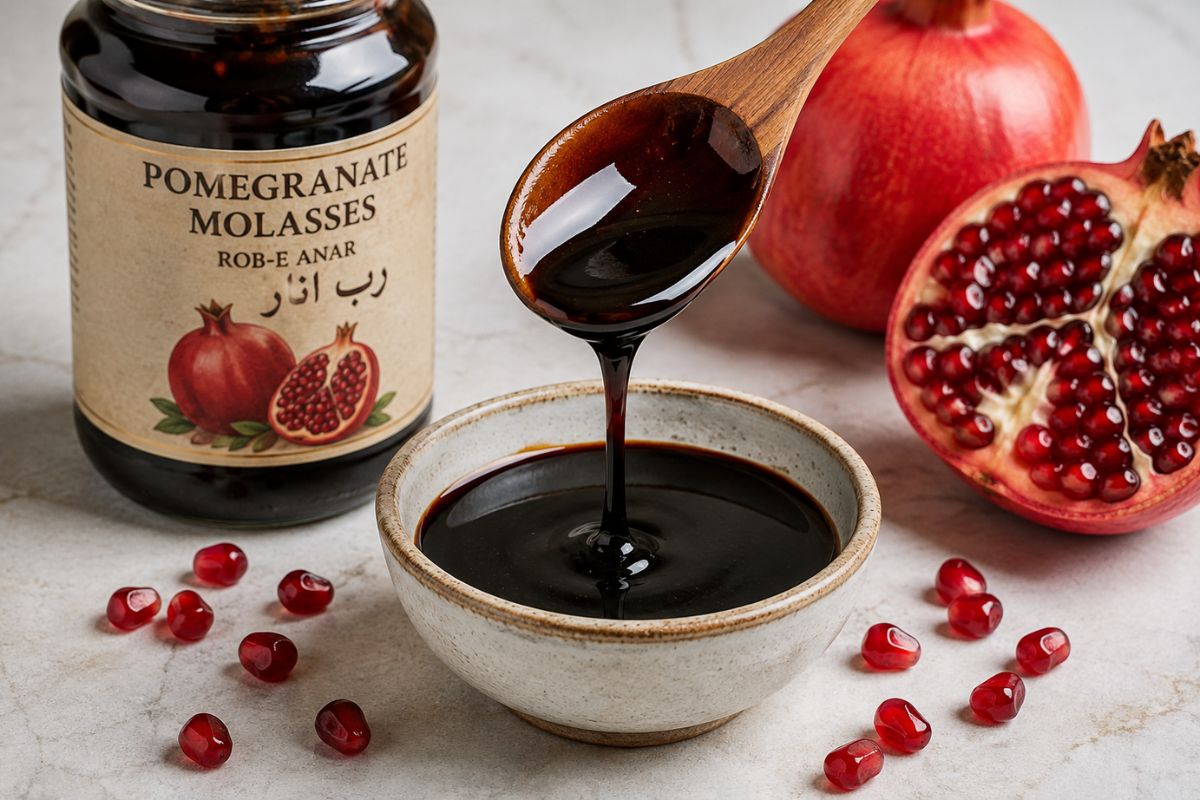
Pomegranate molasses – Rob-e Anar
Updated:
Pomegranate Molasses (Rob-e Anar) Pomegranate molasses, known as Rob-e Anar (رب انار) in Persian, is one of the most distinctive ingredients in Persian cooking. Made by slowly reducing fresh pomegranate juice into a thick, glossy syrup, it has a rich balance of sweet and tangy flavours that adds depth to both savoury and sweet dishes.…
-
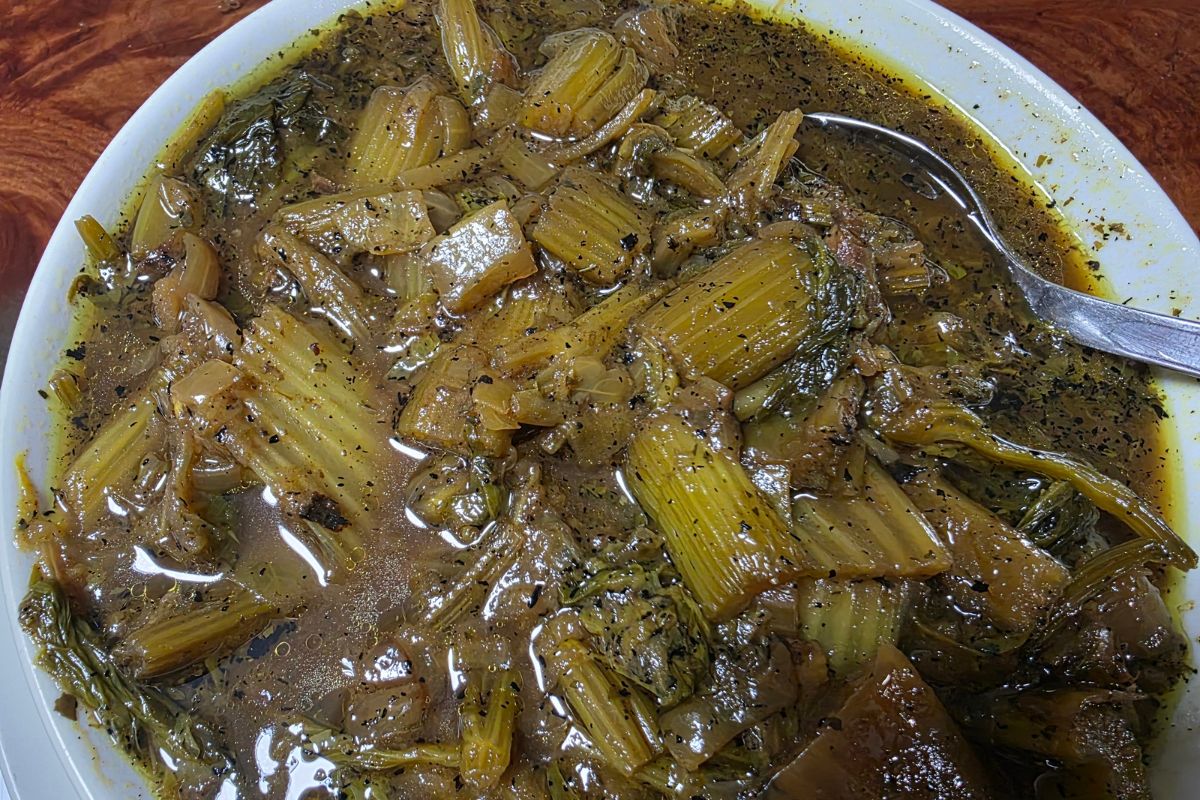
Khoresh Karafs – Persian Lamb and Celery Stew
Updated:
Khoresh Karafs (Persian Celery Stew) is one of the lesser-known treasures of Persian cooking. While dishes such as Ghormeh Sabzi and Fesenjan are famous around the world, Khoresh Karafs is a favourite in many Iranian homes for its fresh herb flavour, tender lamb, and delicate balance of celery, mint and parsley. Unlike many Western stews…
-
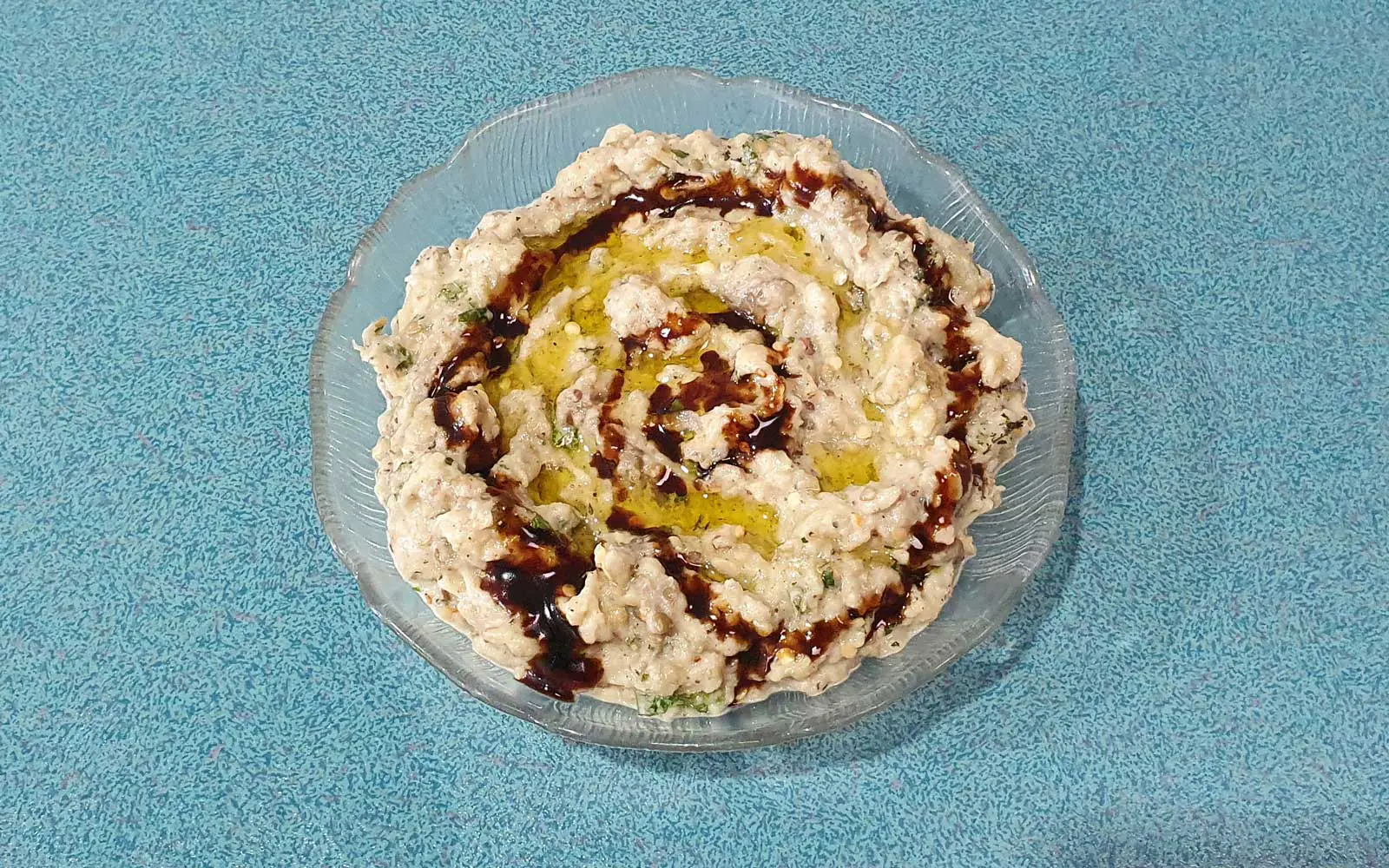
Persian Eggplant Dip – Borani Bademjan
Updated:
Roasted Eggplant is the perfect base for a vegan dip. Mashed with garlic, and the added tang of pomegranate syrup, this version has different twist of various flavours. Eggplant or Bademjan is very popular in our house. It can be cooked in many ways, fried, roasted and even boiled. Eggplant used to be very bitter,…
-
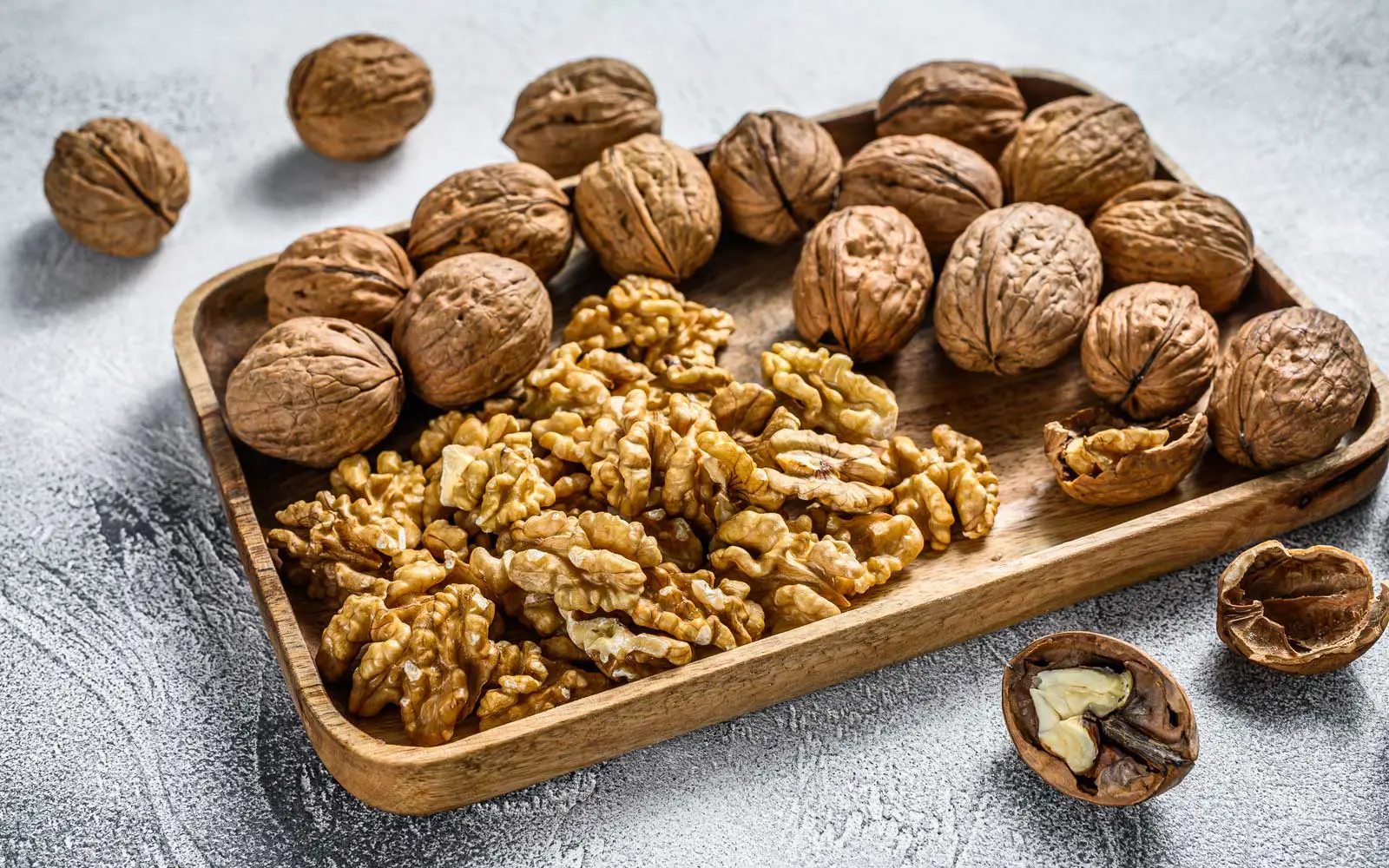
Walnuts
Updated:
Walnuts are used extensively in Persian cuisine, most famously in the rich pomegranate stew fesenjan. Freshly cracked walnuts have the best flavour, but good packaged kernels save a great deal of time. Because their oils are delicate, freshness and gentle heat make all the difference. What is it? Walnuts are the edible kernels of trees…
-
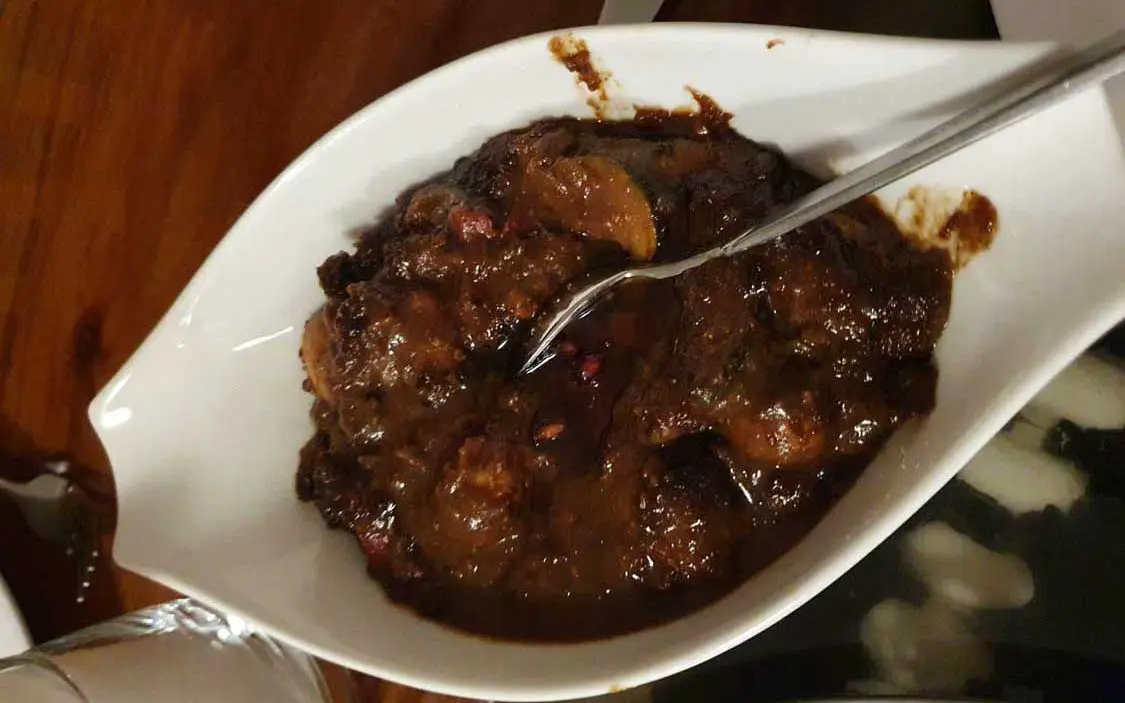
Fesenjan Sauce – Persian Walnut Pomegranate Stew
Updated:
This Fesenjan recipe must be the easiest Persian dish I have discovered. A few minor adaptions as suggested by some friends over time makes this recipe a culmination of knowledge. Only three ingredients, walnut, pomegranate syrup and our secret ingredient. This must be one of our family’s favourite Persian dish and shows how Persian cooking,…
-
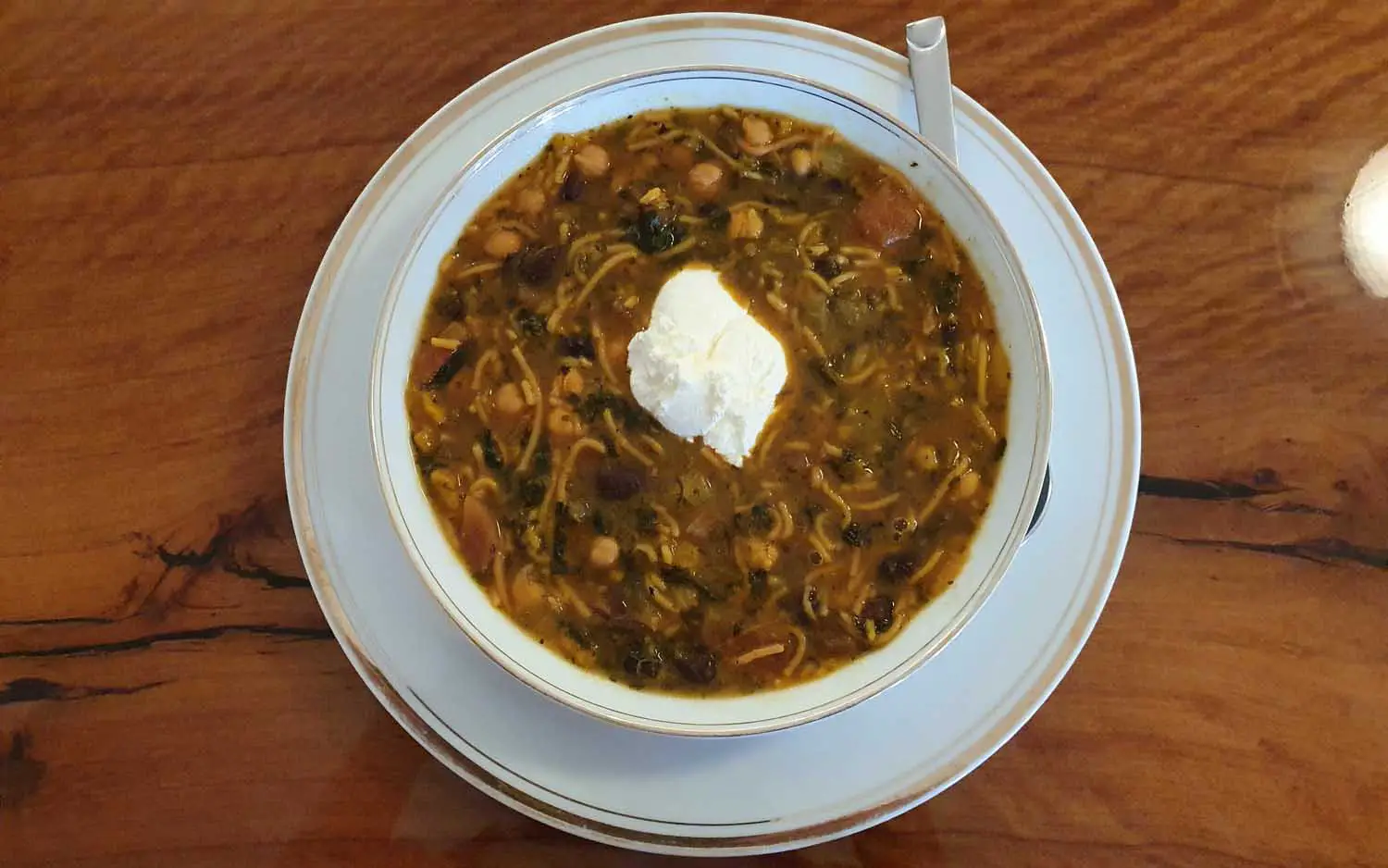
Ash Reshteh – Persian Noodle Soup
Updated:
A quick and easy version of the traditional Ash Reshteh. Enjoy!
-
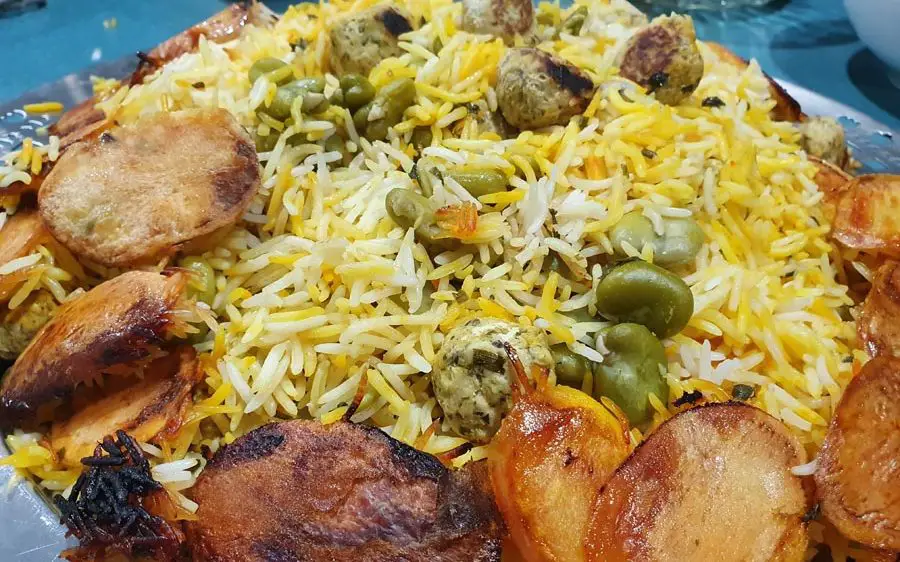
Morgh-e-Kofta Baghali Polo – Chicken Meatballs with Broad beans and Rice
Updated:
This recipe is something a little different. Layers of rice, broad beans, chopped garlic chives and small chicken meatballs, with tarragon. A friend recently gave me a huge bunch of fresh tarragon which inspired this recipe. Tarragon and chicken go together really well, and Baghali Polo is a firm favorite in our family. Garlic chives…
-
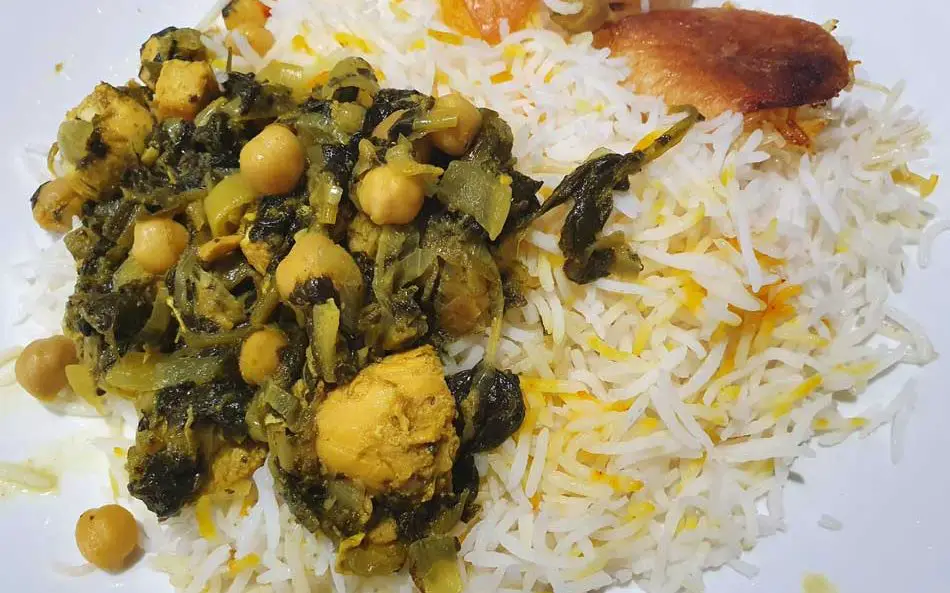
Khoresh Morgh-e Esfenaj – Chicken Stew with Spinach
Updated:
This recipe for Khoresh Morgh-e Esfenaj is a fairly recent addition to our family meals, with my husband finding a recipe when looking online for ideas for dinner one night. We have, of course, adapted it to make it a quick and easy meal. You can make it your own by using different sabzi’s or…
-
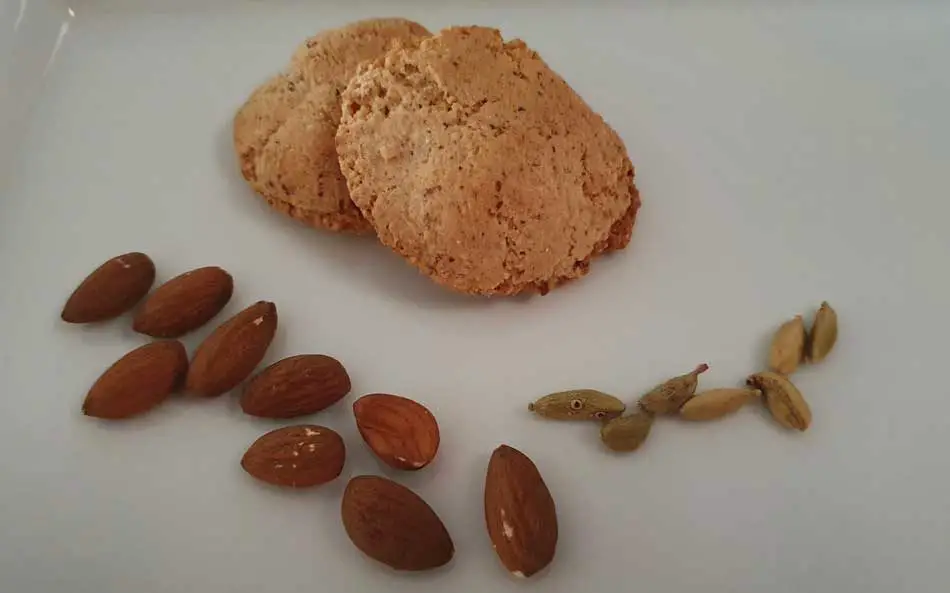
Ghorabieh – Persian Almond Cookies
Updated:
Ghorabieh is a soft chewy almond macaroon popular in Iran. This version doesn’t use flour, and is Gluten Free. The rose water and cardamom adds a lovely middle eastern flavour to this cookie. I usually make this recipe when I have left over egg whites from making Tachin or fresh Barbari bread. Traditionally these cookies…
-
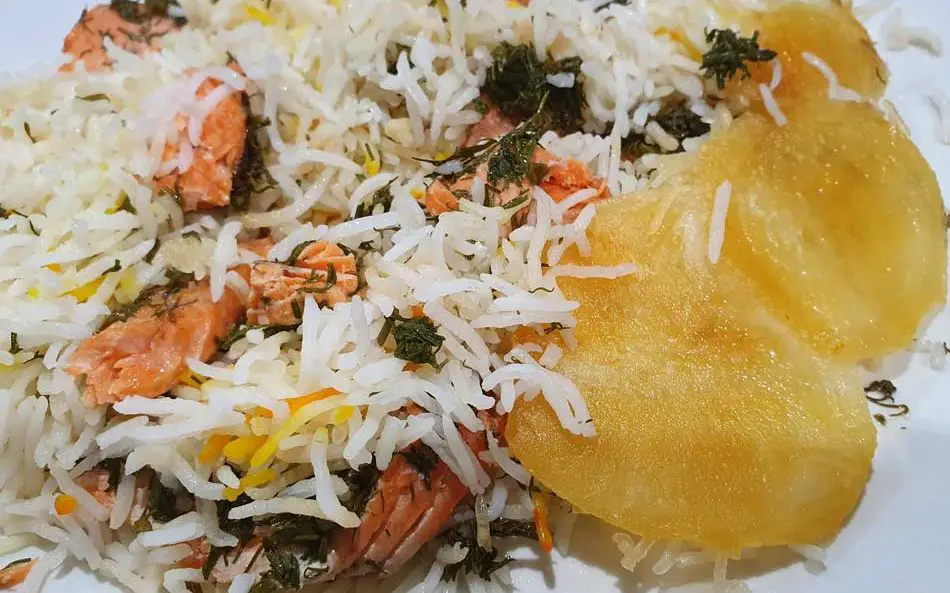
Salmon and Dill Layered Rice – Sabzi Mahi Polo
Updated:
I recently had a similar dish to this at a friend’s house and it was absolutely delightful. So when we had left over Salmon from Christmas lunch this year I decided to make my own rendition of Sabzi Mahi Polo. Hope you enjoy it. My husband had cooked the salmon on the BBQ for Christmas…
-
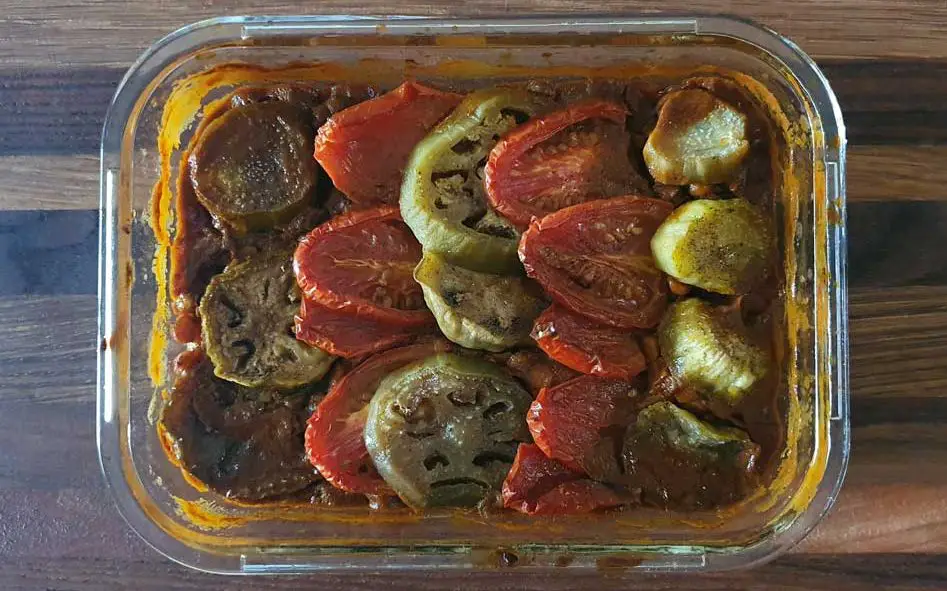
Khoresh Gheymeh Bademjan – Persian Stew with Split Peas and Eggplant
Updated:
One of our favourite recipes to prepare in advance to batch cook and freeze is this Khoresh Gheymeh Bademjan recipe. The eggplant and tomato topping adds a more elegant twist to this traditional recipe. This version is vegetarian but can just as easily be made with chunks of lamb. Things to note when making Khoresh…