
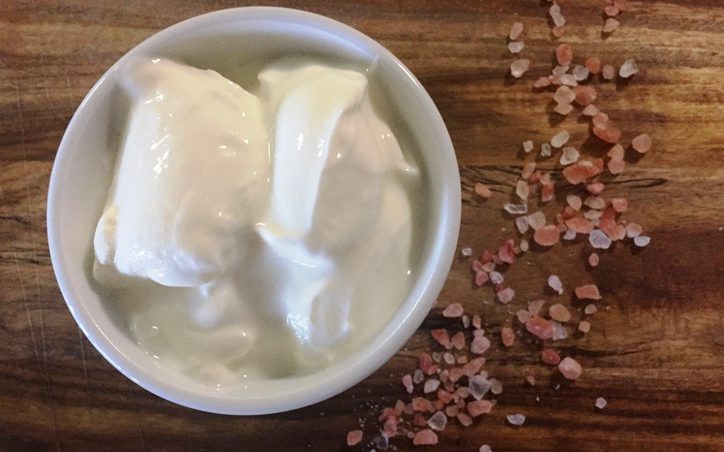
Plain yoghurt is one of those ingredients I always like to have in the fridge. In Persian cooking it can be a cooling side dish, a creamy dip, a refreshing drink or a simple contrast to a rich khoresh and steaming rice.
What is it?
Yoghurt is milk fermented with friendly bacterial cultures until it becomes pleasantly tangy and thick. Traditional Persian yoghurt is plain and unsweetened, with a clean dairy flavour. Greek-style yoghurt is an easy supermarket substitute when a recipe needs a thicker consistency.
What does it taste like?
Good plain yoghurt tastes creamy, fresh and gently sour. The flavour can range from mild to quite tangy depending on the milk, culture and fermentation time. For Persian savoury dishes, avoid sweetened or vanilla yoghurt because those flavours will overpower herbs, garlic and cucumber.
Why is it used in Persian cooking?
Yoghurt balances the warmth of grilled meats, rice and slow-cooked stews. It is also a useful base for dips and drinks, and its acidity makes simple ingredients such as cucumber, spinach, mint and garlic taste bright and refreshing. A bowl of plain yoghurt beside dinner is both practical and comforting.
How to choose it
Choose plain, unsweetened yoghurt with a short ingredient list. Full-fat yoghurt gives the creamiest result, while Greek yoghurt is useful for dips because it releases less water. If you prefer homemade yoghurt, look for a fresh live-culture yoghurt to use as your starter.
How to prepare it
Stir yoghurt until smooth before using it. For a firm dip, strain it through clean muslin or a fine cloth in the refrigerator, or follow my guide to making thick yoghurt. Let very cold yoghurt sit briefly before mixing so herbs and seasonings combine evenly.
Storage tips
Keep yoghurt refrigerated in a clean, tightly covered container and follow the use-by date. Always use a clean spoon so crumbs and other food do not shorten its life. Homemade yoghurt should also be chilled promptly once it has set.
Nutritional benefits
Yoghurt supplies protein and calcium, and live-culture varieties may support a varied gut microbiome. The exact nutrition depends on the milk and fat level, so check the label if you are monitoring saturated fat, added sugar or sodium.
Common substitutes
Greek yoghurt is the closest convenient substitute for thick Persian yoghurt. For sauces and dips, labneh or a mixture of natural yoghurt and a little sour cream can also work. Unsweetened plant-based yoghurt may suit dairy-free cooking, but choose one without vanilla or added sweetness.
Recipes using the ingredient
Start with homemade pot yoghurt, then use it in Mast-o-Khiar, Borani Esfenaj or a refreshing glass of Doogh. These are easy recipes that show just how versatile yoghurt can be.
FAQ
Can I use Greek yoghurt in Persian recipes?
Yes. Plain Greek yoghurt is a very good choice when you need a thick dip or side dish. If it is extremely thick, loosen it with a spoonful of cold water.
Why does my yoghurt dip become watery?
Cucumber, spinach and herbs can release water. Drain cooked spinach well, salt and drain cucumber when necessary, and begin with thick or strained yoghurt.
Is yoghurt served with Persian rice and khoresh?
Yes. Plain yoghurt or a yoghurt-based side is commonly served as a cool, tangy accompaniment to rice, kebab and khoresh.