Blog

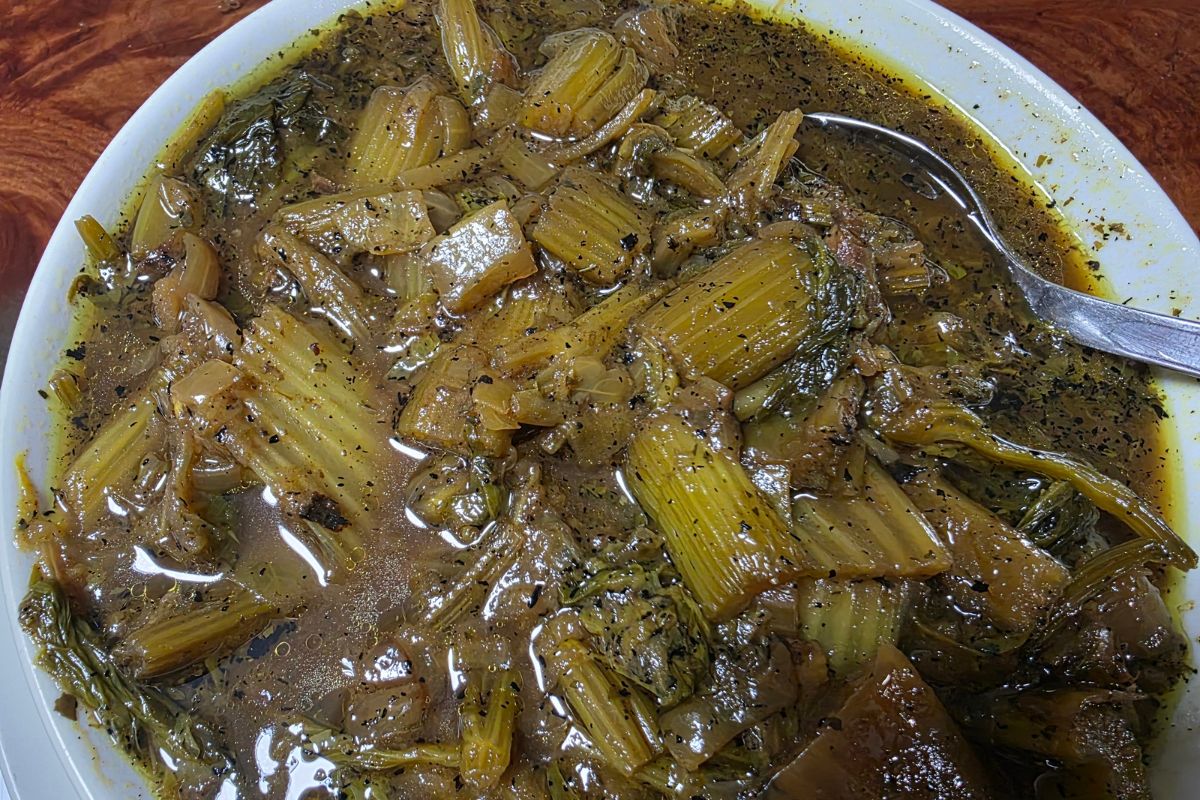
  • Khoreshte Esfanaj Aloo –  Stew with Spinach and Prunes

    Khoreshte Esfanaj Aloo – Stew with Spinach and Prunes

    I recently found this new khoresht with spinach and prunes. After a couple of times cooking this light dish, it quickly became a family favorite. 

    koresht esfanji aloo

    Khorest Esfanaj Aloo – Stew with Spinach and Prunes

    This delicious and easy khoresht is slightly sweet and sour, and a lot lightes than the standard khoresht.
    4.67 from 3 votes
    Prep Time 30 minutes
    Cook Time 1 hour 30 minutes
    Total Time 2 hours
    Course Main Course
    Cuisine Persian
    Servings 8 people
    Calories 222 kcal

    Equipment

    • Heavy based saucepan

    Ingredients
      

    • 750 g diced lamb
    • 2 large onions
    • 500 g spinach
    • 1 large leek
    • 3 tlb limoo anami fried lime powder
    • 2 tsp salt
    • ½ tsp pepper
    • 200 g pitted prunes

    Instructions
     

    • Finely chop the onions and fry with the olive oil till translucent
    • Add the diced lamb, and fry till brown
    • Add in dried lime, salt and pepper
    • Just cover with water and bring to boil
    • Turn down temperture and simmer for around 1 hour untill meat is tender
    • Finely chop the leek and wash well
    • Lightly fry the leek to softnen
    • Add chopped spinach and saute for 1 – 2 minutes
    • Add to the saucepan and mix well.
    • Cook for a futher 15 -20 minutes
    • Add in the prunes around 10 minutes before serving.

    Nutrition

    Calories: 222kcalCarbohydrates: 23gProtein: 22gFat: 5gSaturated Fat: 2gPolyunsaturated Fat: 1gMonounsaturated Fat: 2gCholesterol: 61mgSodium: 696mgPotassium: 875mgFiber: 4gSugar: 12gVitamin A: 6243IUVitamin C: 22mgCalcium: 97mgIron: 4mg
    Keyword stew
    Tried this recipe?Let us know how it was!
  • Lamb Mince Kebab – Koobideh Kebab

    Lamb Mince Kebab – Koobideh Kebab

    This must be the most common and well known Persian kebab recipe. The trick is keeping the mince on the stick.

    Koobideh Kebab

    A delicious grilled kebab, everyones favourite.
    5 from 1 vote
    Prep Time 1 hour
    Cook Time 30 minutes
    Course Main Course
    Cuisine Persian
    Servings 12 skewers
    Calories 243 kcal

    Ingredients
      

    • 1 kg lamb mince
    • 2 white onion
    • 2 tsp salt
    • 1 tsp pepper

    Instructions
     

    • finely chop the onion
    • add the onion, lamb mince and salt and pepper to a large mixing bowl
    • With your hands, mix the kebab mixture together
    • leave to sit in the fridge for about an hour
    • place a small amount of the mixture in your hand and wrap around a flat kebab stick, wetting your hand if needed.
    • add more mixture to cover the kebeb skewer
    • continue with more skewers until all the mixture is used
    • preheat your bbq
    • place the skewers over the hot coals and turn when the meat is starting to brown

    Nutrition

    Calories: 243kcalCarbohydrates: 2gProtein: 14gFat: 20gSaturated Fat: 9gPolyunsaturated Fat: 2gMonounsaturated Fat: 8gCholesterol: 61mgSodium: 438mgPotassium: 214mgFiber: 1gSugar: 1gVitamin A: 1IUVitamin C: 1mgCalcium: 19mgIron: 1mg
    Keyword mince
    Tried this recipe?Let us know how it was!
  • Zucchini and Beetroot Fritters

    Zucchini and Beetroot Fritters

    Zucchini and Beetroot Fritters make a nutritious light breakfast or an addition to a picnic.

    It must be the season for beetroot with a lovely supply at the markets this week. This recipe uses beetroot with the wonderfully fresh organic zucchini from the local farmers market. A simple weekend breakfast or a picnic snack. I love to experiment with the color and taste of beetroot, and mixed with the turmeric, these fritters develop a lovely color. Serve with yogurt and cucumber.

    Zucchini and Beetroot Fritters

    Beetroot is a wonderful nutritious vegetable, and adds an interesting color and taste to food. Ingredients
    5 from 1 vote
    Prep Time 15 minutes
    Cook Time 15 minutes
    Total Time 39 minutes
    Course Side Dish, Snack
    Cuisine Persian
    Servings 24 pieces
    Calories 48 kcal

    Ingredients
      

    • 1 1/2 cups plain flour
    • 4 tsp baking powder
    • 1 tsp salt
    • 1 tsp turmeric
    • 2 eggs
    • 350 ml milk
    • 1 zucchini grated
    • 1 med beetroot grated
    • 2 shallots

    Instructions
     

    • In an electric mixer, combine the flour, baking powder, eggs, salt and milk.
    • Slowly stir through the grated zucchini and beetroot.
    • Heat an electric frypan.
    • Lay 12 egg rings in the bottom of the electric frying pan.
    • Spray with egg rings and pan with oil spray
    • When the egg rings are hot, spoon mixture to half fill the egg rings
    • Cook for about 10 minutes till bubble form in the top of the fritters
    • Use tongs to remove egg rings, and flip over to finish cooking

    Nutrition

    Calories: 48kcalCarbohydrates: 8gProtein: 2gFat: 1gSaturated Fat: 1gPolyunsaturated Fat: 1gMonounsaturated Fat: 1gTrans Fat: 1gCholesterol: 15mgSodium: 182mgPotassium: 78mgFiber: 1gSugar: 1gVitamin A: 62IUVitamin C: 2mgCalcium: 64mgIron: 1mg
    Keyword beetroot
    Tried this recipe?Let us know how it was!
  • Brown Rice Zucchini Cakes

    Brown Rice Zucchini Cakes

    Try brown rice zucchini cakes as a healthy and nutritious snack for picnics or a light lunch.

    Turmeric adds that Persian touch. I often make these delicious rice cakes as a lunch box filler for my hungry boys. This recipe uses the absorption method for cooking the rice. This is referred to in Farsi as “ketteh”.

    We also love Brown Rice Salad and I always cook double the brown rice to use the rice in the salad recipe.

    Brown Rice and Zucchini Cakes

    A delicious and nutritious snack for picnics or a light lunch. Serve with a light tomato sauce.
    5 from 1 vote
    Prep Time 30 minutes
    Cook Time 30 minutes
    Total Time 1 hour
    Course Appetizer, Side Dish, Snack
    Cuisine Persian
    Servings 6
    Calories 174 kcal

    Ingredients
      

    • 1 cup brown rice uncooked
    • 2 cups vegetable stock
    • 2 zucchini
    • 4 shallots
    • 3 eggs
    • 1 tsp salt
    • 1 tsp turmeric

    Instructions
     

    • Cook brown rice using the absorption method with vegetable stock
    • Set aside to cool
    • Grate zucchini
    • Finely chop shallots
    • Combine all ingredients and stir through until well combined
    • Heat frying pan and brush with vegetable oil
    • Cook rice cakes in batches until golden brown

    Notes

    The trick with this recipe is to ensure that the rices is well cooked. The rice is cooked using the absorption method “ketteh” where all the starches and nutrition are retained in the rice. Be sure to use enough vegetable stock, and don’t be afraid to add more liquid if required.

    Nutrition

    Calories: 174kcalCarbohydrates: 30gProtein: 6gFat: 3gSaturated Fat: 1gPolyunsaturated Fat: 1gMonounsaturated Fat: 1gTrans Fat: 1gCholesterol: 82mgSodium: 741mgPotassium: 350mgFiber: 2gSugar: 4gVitamin A: 417IUVitamin C: 13mgCalcium: 40mgIron: 2mg
    Keyword brown rice, zuchini
    Tried this recipe?Let us know how it was!
  • Baghali Polo – Rice with Broad Beans, Dill & Chicken

    Baghali Polo – Rice with Broad Beans, Dill & Chicken

    Baghali Polo is a traditional rice dish combining the flavours of the delicate Broad bean with Dill. This recipe includes chicken and becomes a complete meal. Although it can be a little time-consuming to remove the outer husks from the broad bean, it is a quick and easy Iranian meal, served with Yoghurt, mixed tomato and cucumber salad and a bowl of Sabzi (fresh herbs).

    Baghali Polo – Rice with Broad Beans, Dill & Chicken

    A delicious Persian rice with layers of chicken, dill and broad beans
    4.75 from 4 votes
    Prep Time 30 minutes
    Cook Time 1 hour
    Total Time 1 hour 30 minutes
    Course Main Course
    Cuisine Persian
    Servings 8
    Calories 440 kcal

    Equipment

    • 1 Persian Rice Cooker Recommended

    Ingredients
      

    • 2 cups basmati rice
    • 2 tlbs salt
    • 1 kg diced chicken breast
    • 1 onion
    • 1 tsp turmeric
    • 2 tlbs salt
    • 500 g frozen Broad Beans
    • 1/2 cup dried Dill
    • 1 piece Lebanese flat bread
    • 2 tlbs butter or olive oil

    Instructions
     

    • Place chicken, onion, salt and turmeric in a large saucepan with some vegetable oil.
    • Seer the outside of the chicken pieces, and add about 1 cup of water.
    • Lower heat and simmer until the chicken is cooked and the liquid has reduced.
    • Strain and wash the rice under running water until the water runs clear, to remove any remaining starch.
    • Remove the outer husks form the broad beans and discard.
    • In the bottom of a heavy based saucepan, or a Persian Rice cooker add the melted butter or olive oil.
    • Separate the 2 layers of the Lebanese bread and lay one piece on the butter in the bottom of the saucepan or Persian Rice Booker to form the tahdig.
    • Gently spoon a layer the rice over the bread.
    • Add a layer of cooked chicken and fresh Broad Beans.
    • Generously add a layer of dried dill.
    • Repeat the layers until the chicken and dill is used. Usually 2 layers of each. Finish with a layer of Rice.
    • Gently pour over any remaining juices form the chicken on the top. Add an extra knob of butter if desired.
    • Place a tea-towel or a cloth under the saucepan or rice cookers lid to absorb any excess moisture while the rice is steaming.
    • Cook on a high heat until the sides of the pan are hot to touch, then reduce the heat to low and cook for about 30 – 45 minutes. Alternately if using a Persian Rice cooker, allow to run the full cycle.
    • Place the bottom of the saucepan or rice cooker pan in about 3 cm of water in a sink to loosen the tahdig.
    • Turn the pan upside down onto a round serving dish to serve.

    Notes

    This recipe uses flat Lebanese bread for the tahdig, you can also use potato if you wish.

    Nutrition

    Calories: 440kcalCarbohydrates: 62gProtein: 38gFat: 5gSaturated Fat: 1gPolyunsaturated Fat: 1gMonounsaturated Fat: 1gTrans Fat: 1gCholesterol: 80mgSodium: 402mgPotassium: 1205mgFiber: 6gSugar: 2gVitamin A: 912IUVitamin C: 10mgCalcium: 314mgIron: 9mg
    Keyword Chicken, dill, rice
    Tried this recipe?Let us know how it was!

    Additional Tips.

    A Persian rice cooker makes this dish much easier as the Tahdig is formed perfectly each time with out the risk of either soggy or burnt Tahdig.

  • Broad Beans – Baghali

    Broad Beans – Baghali

    Baghali, or broad beans, are best known for their delicious partnership with dill and rice. I usually keep frozen broad beans in the freezer because they are convenient, dependable and make it possible to prepare Baghali Polo whenever the family asks for it.

    What is it?

    Broad beans are the flat green seeds inside large pods and are also called fava beans. In Persian cooking the beans are commonly removed from both the outer pod and the pale skin around each seed, leaving the tender bright-green centre.

    What does it taste like?

    Young broad beans taste fresh, green and gently sweet, with a creamy centre when cooked. Older beans are starchier and can have a stronger earthy flavour. Dill, saffron and butter complement them particularly well.

    Why is it used in Persian cooking?

    Baghali brings colour, substance and a soft buttery texture to rice dishes. The classic combination of broad beans and dill is aromatic without being heavy, and it works beautifully with chicken, lamb or meatballs for a generous family meal.

    How to choose it

    Fresh pods should be firm, crisp and bright green. Smaller beans are usually sweeter and more tender. Frozen broad beans are an excellent year-round choice; look for loose, separate beans rather than one solid frozen block.

    How to prepare it

    Remove fresh beans from their pods, then peel away the pale outer skin from each bean if the recipe calls for tender split beans. Frozen broad beans often still need this second skin removed. Blanching them briefly can make peeling easier, but do not overcook them before they are layered with rice.

    Storage tips

    Keep fresh broad bean pods in the refrigerator and use them within a few days for the best flavour. Store frozen beans tightly sealed in the freezer. Cooked beans should be cooled promptly, covered and refrigerated.

    Nutritional benefits

    Broad beans provide plant protein, fibre, folate and several minerals. They make a rice dish more substantial, although the overall nutrition will also depend on the amount of rice, oil, butter and meat served with them.

    Common substitutes

    Lima beans or shelled edamame can provide a similar green colour and tender bite, though the flavour is different. Green peas are easy to find but sweeter and smaller. For the most traditional Baghali Polo, broad beans are worth seeking out.

    Recipes using the ingredient

    The classic place to begin is Baghali Polo with broad beans, dill and chicken. For another family-style version, try Morgh-e-Kofta Baghali Polo.

    FAQ

    Do frozen broad beans need to be peeled?

    Often they do. Check whether the pale outer skin is still present; removing it gives a greener colour and more tender result.

    Can I put frozen baghali straight into rice?

    Thaw and peel them first. If they are very young and tender they need little pre-cooking, as they will cook further with the rice.

    Are broad beans and fava beans the same?

    Yes. Broad bean and fava bean are two common English names for the same ingredient.

  • Adas – Green Lentils in Persian Cooking

    Adas – Green Lentils in Persian Cooking

    Adas—green lentils—are an inexpensive, dependable ingredient in the Persian pantry. They are best known as the heart of Adas Polo, where their earthy flavour sits beautifully beside fragrant rice, caramelised onion, spices and dried fruit.

    What is it?

    Adas is the Persian word for lentils. On this page it refers to whole green or brown lentils, which hold their shape better than split red lentils. They are sold dried or canned and are readily available in ordinary supermarkets as well as Persian grocery stores.

    What does it taste like?

    Green lentils taste earthy, nutty and gently peppery. Their flavour is mild enough to absorb cinnamon, turmeric, saffron and stock, while their firm texture gives rice dishes substance without becoming heavy.

    Why is it used in Persian cooking?

    Lentils bring economical plant protein, texture and comforting flavour to rice, soups and simple family meals. In Adas Polo they create a satisfying contrast with long-grain rice and the sweet-savoury garnishes often served on top.

    How to choose it

    Choose dry lentils that are evenly coloured and free from moisture, insects or excessive broken pieces. Older lentils can take longer to soften. Canned lentils are convenient; choose a low-sodium variety when possible and check that the lentils remain whole rather than mushy.

    How to prepare it

    Sort dried lentils and rinse them well. Cover with plenty of water, bring to the boil, then simmer until just tender. For Adas Polo, stop while they still hold their shape because they will cook again with the rice. Drain well before folding them through. Rinse and drain canned lentils; add them later so they do not become soft.

    Storage tips

    Store dried lentils in an airtight container in a cool, dry cupboard. Cooked lentils should be cooled promptly, refrigerated in a covered container and used within a few days. Freeze cooked lentils in recipe-sized portions for convenient future meals.

    Nutritional benefits

    Cooked lentils provide plant protein and dietary fibre, along with folate, iron, potassium and other minerals. They are naturally low in fat. Pairing lentils with grains such as rice makes a satisfying meal, while vitamin-C-rich vegetables served alongside can help the body absorb plant-based iron.

    Common substitutes

    Brown lentils are the closest substitute and behave in much the same way. French green lentils remain firmer and may take longer to cook. Black beluga lentils also hold their shape but change the appearance of the dish. Avoid red lentils in Adas Polo because they soften and break down quickly.

    Recipes using the ingredient

    FAQ

    Do green lentils need soaking?

    Usually no. Rinse and simmer them until tender, following the packet directions.

    Can I use canned lentils in Adas Polo?

    Yes. Rinse and drain them, then add them late enough to keep their shape.

    Why are my lentils still hard?

    Older lentils take longer to cook, and acidic ingredients can slow softening. Cook the lentils until tender before adding acidic ingredients.

    Are red lentils a good substitute?

    Not for Adas Polo. They break down quickly and will change the texture of the rice.

  • Easy Adas Polo with Lamb

    Easy Adas Polo with Lamb

    This Adas Polo recipe with Lamb, and although it takes a while to cook, it is one of the easiest Persian recipes.

    Boil the lamb, onion, turmeric, salt pepper in a pressure cooker until the lamb pieces are well cooked.

    Adas Polo with Lamb
    Bring lamb, onions and tumeric to boil.

    I usually then place this in fridge over night to remove excess fat that has solidified over night. Keep some though, as this is delicious on in the rice and adds the required fat to keep the rice grains separated and to crisp the tahdig at the bottom of the pan.

    Adas Polo with Lamb
    Cool stock to remove excess fat

    If you wish, you can boil more lamb pieces and then store the remainder in the freezer to make the recipe a second time, for a lazy Sunday night meal. Just defrost the stock and lamb pieces before using.

    Adas Polo with Lamb
    Add cooked lamb with sultanas and cooked lentils

    The rice is not precooked, rather washed and stirred through with the cooked adas (green lentils), boiled chunks of lamb, and sultanas. Then spooned into the rice cooker and the lamb stock is gently ladled over the rice. The rice cooker is then set to cycle through it’s normal cycle.

    Adas Polo with Lamb
    Stir though washed, uncooked rice

    The trick to this Adas Polo recipes is to ensure that you use the correct amount of liquid to the rice. This can be quite varied depending on the type of rice you use. I usually find that 1 cup of rice to 2 cups of liquid ratio works well for the Indian Basmati rice.

    Adas Polo with Lamb
    Layer potato on the bottom of the rice dish
    Adas Polo with Lamb
    Spoon uncooked rice mixture over the potato slices
    Adas Polo with Lamb
    Add the lamb stock over the rice

    I tend to prefer the green lentils over brown lentils for this recipe as the green lentils tend to retain there size and shape better during the cooking process in the rice cooker.

    I have made this recipe with Brown rice, and it is equally delicious, but our family much prefer the white rice version. The natural sweetness of the sultanas makes a delicious combination through the rice and lentils.

    Adas Polo with Lamb
    Adas Polo with Lamb
    Adas Polo with Lamb

    Easy Adas Polo with Lamb

    An easy version of the traditional rice dish with adas (green lentils), sultanas and lamb. This version allows for the rice to be cooked in the stock similar to Italian risotto
    5 from 2 votes
    Prep Time 2 hours
    Cook Time 1 hour
    Total Time 3 hours
    Course Main Course
    Cuisine Persian
    Servings 6 people
    Calories 2462 kcal

    Equipment

    • 1 Persian Rice Cooker

    Ingredients
      

    • 2 cups basmati rice
    • 2 tlbs salt
    • 1 kg lamb pieces
    • 1 onion
    • 1 tsp turmeric
    • 2 tlbs salt
    • 1/2 cup sultanas
    • 1 cup cooked adas (green lentils)
    • 1 potato

    Instructions
     

    • Place lamb, onion, salt and turmeric in a large saucepan. Cover with water, bring to boil.
    • Lower heat and simmer until the meat is falling off the bones, about an hour.
    • Remove lamb, and discard the bones.
    • Boil the lentils in water till half cooked and strain.
    • Wash the rice in water and soak while the lamb is cooking.
    • Strain and wash under running water to remove any remaining starch.
    • In a large bowl, add the uncooked rice, lamb, lentils and sultanas and stir carefully to distribute the ingredients.
    • In the bottom of a heavy based saucepan, or a Persian Rice cooker ladle about 1/2 cup of lamb stock, and cover with a layer of sliced, peeled potato to form the tahdig.
    • Gently spoon the rice mixture over the potato.
    • Measure out 4 cups of stock and gently pour over the rice mixture, being careful not to dislodge the sliced potato.
    • Place a tea-towel or a cloth under the saucepan or rice cookers lid to absorb any excess moisture while the rice is steaming.
    • Cook on a high heat until the sides of the pan are hot to touch, then reduce the heat to low and cook for about 30 – 45 minutes. Alternately if using a Persian Rice cooker, allow to run the full cycle.
    • Place the bottom of the saucepan or rice cooker pan in about 3 cm of water in a sink to loosen the tahdig.
    • Turn the pan upside down onto a round serving dish to serve.

    Notes

    A Persian rice cooker makes this dish much easier as the tahdig is formed perfectly each time without the risk of either soggy or burnt tahdig.

    Nutrition

    Calories: 2462kcalCarbohydrates: 518gProtein: 84gFat: 5gSaturated Fat: 1gPolyunsaturated Fat: 2gMonounsaturated Fat: 1gSodium: 1607mgPotassium: 3908mgFiber: 73gSugar: 54gVitamin A: 81IUVitamin C: 61mgCalcium: 305mgIron: 21mg
    Keyword lentils
    Tried this recipe?Let us know how it was!

    Suggested accompaniments for Adas Polo is thickened plain yogurt and Shirazi salad.

    Lentils are high in protein and folate (folic acid) otherwise known as Vitamin B9, and are often a staple in vegetarian and vegan diets, making this recipe both economical and nutritious.

    This recipe can be adapted to a vegetarian dish by replacing the the lamb with vegetables, such as carrot and celery, to develop a good quality vegetable stock.

    Our standard layered Adas Polo recipe where you cook rice first in water, is a vegan recipe.

  • Kookoo Sabzi – Herb Omelette

    Kookoo Sabzi – Herb Omelette

    Kookoo is a Persian style omelette or frittata. Kooko Sabzi is often served at the New Year celebration – Naw Ruz – Kookoo Sabzi is the most famous and popular of all the Persian Omelettes or Kookoo.

    Kookoo Sabzi Persian Herb Frittata

    Kookoo Sabzi – Persian Herb Frittata

    Kookoo is a Persian style omelette or frittata. Kooko Sabzi is often served at the New Year celebration – Naw Ruz – Kookoo Sabzi is the most famous and popular of all the Persian Omelettes or kookoo.
    5 from 3 votes
    Prep Time 30 minutes
    Cook Time 30 minutes
    Total Time 1 hour
    Course Appetizer, Side Dish
    Cuisine Persian
    Servings 6 people
    Calories 130 kcal

    Ingredients
      

    • ½ cup dried parsley
    • ½ cup dried coriander
    • ½ cup dried chopped chives
    • ½ cup dried fenugeek
    • 2 tlbs plain flour
    • 1 tsp baking powder
    • 1 tsp salt
    • ¼ tsp white pepper
    • 1 tlbs dried barberries zereshk (optional)
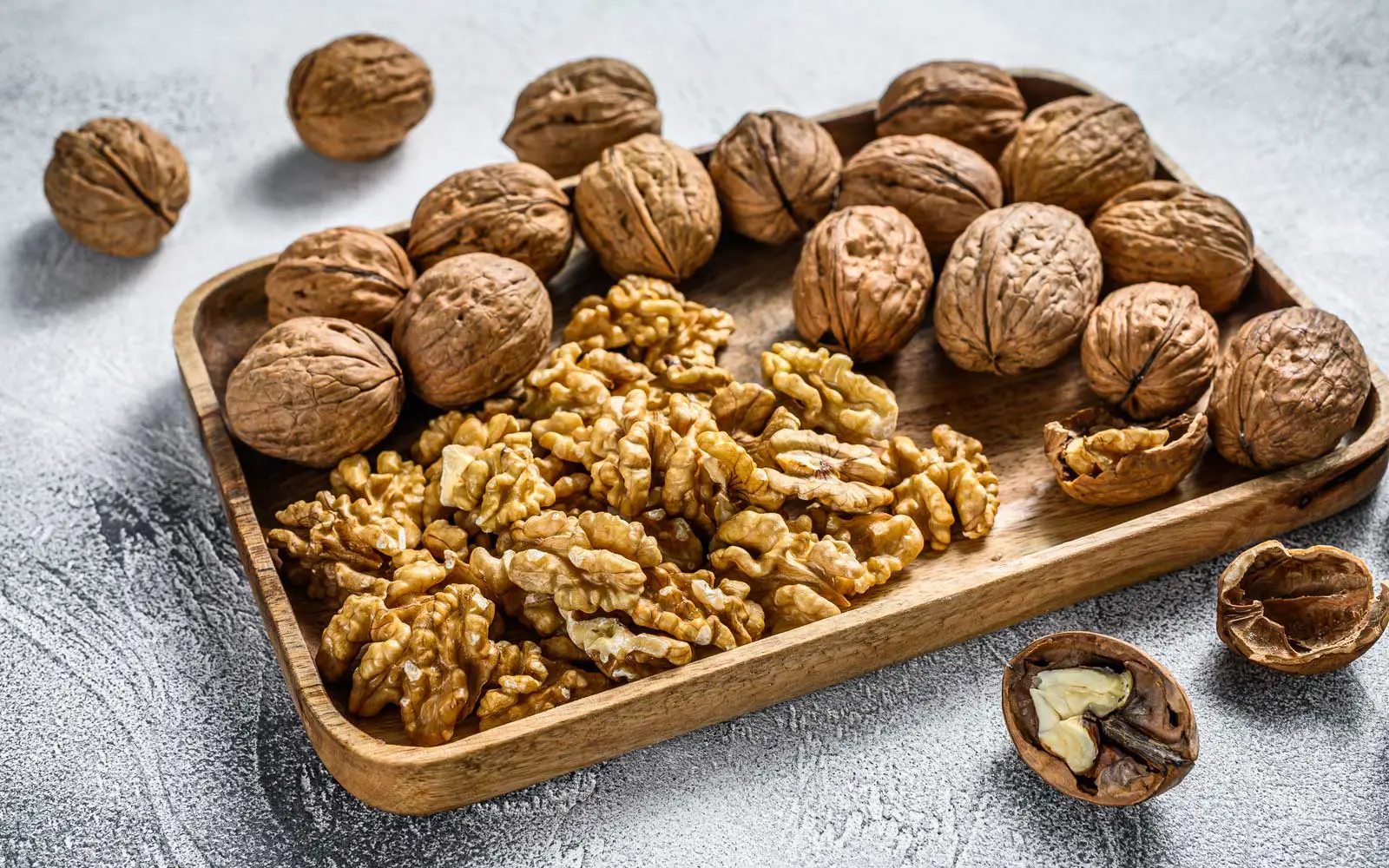
    • 2 tlbs chopped walnuts optional
    • 6 eggs

    Instructions
     

    • Soak dried herbs in water for about an hour, drain and pat dry and place in a mixing bowl
    • Add the flour, baking powder, salt and pepper and the barberries and walnuts if using to the herb mixture. Stir through.
    • Heat a round frying pan with oil until hot.
    • Mix the eggs together and pour into the herb mixture then pour into the frying pan while still stirring.
    • Turn down temperature and cook for about 20 minutes until the top is nearly set.
    • Turn and cook for a further 5 minutes until well cooked.

    Notes

    For a low fat version of kookoo sabzi, cook the kookoo in a shallow baking dish in the oven.
    You can use any dried herbs you have available, but this combination is a more traditional version. I use the prepackaged Kookoo Sabzi dried herb, and always keep a packet of this in my box of dried herbs.

    Nutrition

    Calories: 130kcalCarbohydrates: 12gProtein: 11gFat: 6gSaturated Fat: 1gPolyunsaturated Fat: 1gMonounsaturated Fat: 2gTrans Fat: 1gCholesterol: 164mgSodium: 572mgPotassium: 1016mgFiber: 3gSugar: 2gVitamin A: 1667IUVitamin C: 117mgCalcium: 338mgIron: 10mg
    Keyword herbs, sabzi
    Tried this recipe?Let us know how it was!
  • Saffron Powder

    Saffron Powder

    In a Persian household, saffron is treated like gold. Grinding the threads into saffron powder helps the colour and aroma spread evenly, so a small amount can flavour rice, stews and sweets without wasting precious strands.

    What is it?

    Saffron powder is finely ground saffron made from the dried red stigmas of Crocus sativus. It may be pure saffron or a home-prepared blend ground with a little sugar to help break the threads into a fine, even powder. Commercial products should be checked carefully because powders are easier to adulterate than whole threads.

    What does it taste like?

    Saffron is floral, honeyed and earthy, with a gentle bitterness. Its aroma is as important as its taste. Good saffron should smell complex and warm rather than merely sweet or strongly chemical.

    Why is it used in Persian cooking?

    Saffron provides the golden colour and fragrance associated with Persian hospitality. It finishes polo rice, perfumes tahdig, enriches khoresh and gives cakes, biscuits, nougat and ice cream their celebratory character.

    How to choose it

    Whole deep-red threads are the safest starting point because their quality is easier to judge. Look for dry threads with a strong aroma and very little yellow material. Buy from a trusted Persian grocer and avoid unusually cheap powder or products that release colour instantly like dye.

    How to prepare it

    Place the threads in a small spice grinder or mortar and grind to a fine powder. A pinch of sugar can help create an even texture. For most dishes, bloom the powder in a small amount of hot—not vigorously boiling—water and leave it for 10 to 15 minutes. Add the infusion to rice or the dish as directed. The existing family tip of grinding saffron with sugar can be retained, but artificial colouring is optional and is not needed for flavour.

    Storage tips

    Store saffron powder in a small airtight container away from light, heat, steam and strong-smelling spices. Grind only a modest quantity at a time because powder loses aroma faster than whole threads. Always use a dry spoon.

    Nutritional benefits

    Saffron contains naturally occurring compounds including crocin, crocetin and safranal that have been studied for antioxidant activity. Culinary portions are very small, so saffron should be valued as a spice rather than used to make medical or therapeutic claims.

    Common substitutes

    There is no true substitute for saffron’s aroma. Turmeric can provide yellow colour but tastes earthy and should be used sparingly. Safflower adds colour with little saffron flavour. For an important Persian dish, it is better to use a small amount of genuine saffron than a large amount of an imitation.

    Recipes using the ingredient

    FAQ

    Should saffron powder be bloomed?

    Blooming helps distribute its colour and aroma through the dish.

    Can I grind saffron in advance?

    Yes, but only grind a small amount and store it airtight in the dark.

    Is turmeric the same as saffron?

    No. Turmeric colours food yellow but has a very different earthy flavour.

    How can I tell if saffron is genuine?

    Buy threads from a trusted seller, look for deep-red stigmas and avoid products that seem unusually cheap or release artificial-looking colour immediately.

  • How to Make Thick Yogurt

    How to Make Thick Yogurt

    How to Thicken Yogurt for a Creamy, Delicious Treat

    Nothing is better than a good thick yogurt as a side dish to Persian Khoresh and polo rice. If you are buying yogurt, then buy the Greek yogurt as this is already traditionally thick but I prefer to make my own homemade yogurt.

    I often get asked how to make thick yogurt, and there is a simple trick that I use. When I make yogurt I always add a good quantity of dried milk powder, I add enough to double the consistency of the milk, for example if I am using 1 liter of milk, I add enough dried milk powder to make a liter of milk. For details of how to make yogurt is on my yogurt recipe.

    A more traditional way of making thick yogurt it to strain it through a thin cheesecloth overnight, but an alternative to this is to place a clean toweling cloth on the top of freshly homemade yogurt, and place in refrigerator overnight. The cloth will absorb excess liquid making the yogurt a much thicker consistency, and I find it is less messy.

    Thick Yogurt

    Thick Yogurt in Recipes

    There are many ways to enjoy thick and creamy yogurt. You can eat it plain, or use it as a base for milkshakes, smoothies, dips, or salad dressings. You can also bake with it.

    We use plain yogurt as side dish for khoresh and curries. If the dish is a little spicy, a dollop of plain thick plain yogurt will reduce the heat. I like it on the side to polo rice dishes and kebob also as it helps the meal from becoming too dry.

    Thick yogurt is essential when making yogurt dips like Mast-o-Khiar (tzatzoki) or Borani Esfenaj otherwise the dip will be watery.

    Mast-o Khiar
    Mast-o Khiar
    Yoghurt & Spinach - Mast-o Esfenaj
    Mast-o Esfenaj

    Recipes with Yogurt

    Now that you know how to thicken yogurt, why not put it to good use with one of these delicious recipes?

  • Persian Rice Cooker

    Persian Rice Cooker

    A Persian rice cooker is a must for perfect Persian rice every time.

    A Persian Rice Cooker (Polo Paz) is a secret weapon to good tahdig. Be sure that when you purchase your rice cooker that you buy the Persian style rice cooker. Currently there are 2 types of electric rice cookers on the market. The Asian style rice cooker that steams the rice but doesn’t produce that amazing rice crust for which Persian rice is renowned, and the Persian rice cooker.

    An automatic Persian rice cooker can be used for all kinds of Persian cuisine and rice dishes from Polo rice to steamed rice and Tahcheen. The non-stick pan and the controlled heating through the timer results in perfect rice and tahdig every time. Great for both plain steamed rice with a rich tahdig, and any layered rice dish such as Baghali Polo and Sabzi Polo. Our easy Adas Polo, where we use the lamb stock to cook the rice, also forms amazing tahdig with a set and forget feature. Just perfect every time.

    Best rice for Persian Rice Cookers

    It is important that you use a good long grain rice for your Persian Polo rice dishes. Basmati rice is fairly easy to find now in the west, and more and more middle Eastern grocers are stocking the good quality long grain Persian rice. When you prepare Persian rice it is also important that you wash it well to make sure you remove all the excess starch.

    Features of the Iranian Rice Cooker

    The authentic polo paz has a non-stick pan so when you turn out the rice it comes out perfectly every time. The design of the rice cooker allows that high heat towards the end of the cooking to create the crunchy tahdig, but you have to remember to place the tea-towel under the lid. This absorbs the excess steam to ensure that the tahdig doesn’t go soggy. Also remember the rice steaming pot will be very hot when the rice is cooked, so be sure to use oven mitts when turning over the rice.

    The electric rice cooker is a must in a busy Persian family, where rice would be served at least 4 – 5 times a week. For our family of 5 we have 2 rice cookers, a 15 cup and a 7 cup. We use the smaller one when it is just our family and the larger one when we have guests, and when we have a lot of guests we will often us both. We use the Pars rice cooker as available from Amazon with the links below.  We have been using the smaller one for more than 20 years and still running perfectly.

    Buy a Persian Rice Cooker

    I have found some Amazon links for the Pars Rice Cookers.

    Some Recipes using the Persian Rice Cooker

    I love Persian cooking and it is amazing how man different versions of Polo rice there are. Below are some of my favorite Persian rice recipes using the Polo Paz.

    • Morgh-e-Kofta Baghali Polo – Chicken Meatballs with Broad beans and Rice

      Morgh-e-Kofta Baghali Polo – Chicken Meatballs with Broad beans and Rice

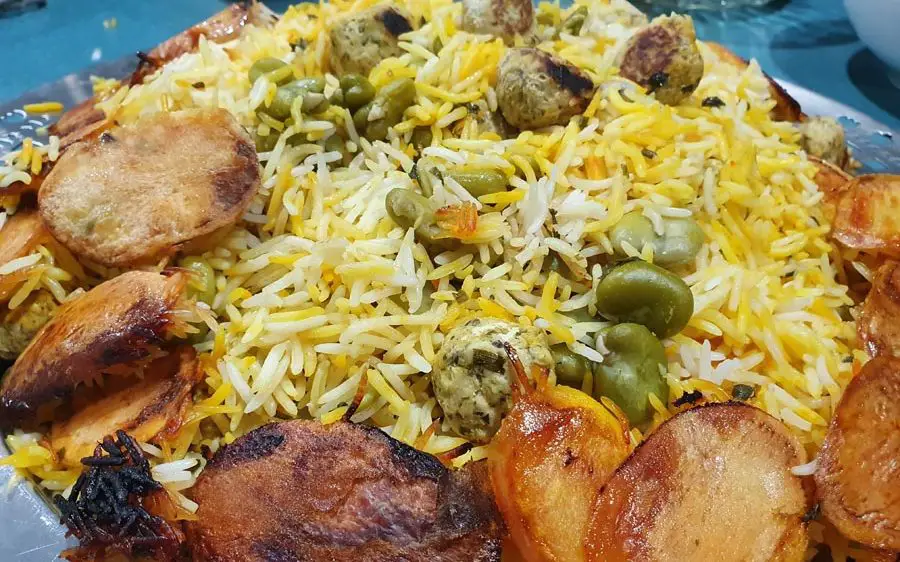
      This recipe is something a little different. Layers of rice, broad beans, chopped garlic chives and small chicken meatballs, with tarragon. A friend recently gave me a huge bunch of fresh tarragon which inspired this recipe. Tarragon and chicken go together really well, and Baghali Polo is a firm favorite in our family. Garlic chives…

    • Salmon and Dill Layered Rice – Sabzi Mahi Polo

      Salmon and Dill Layered Rice – Sabzi Mahi Polo

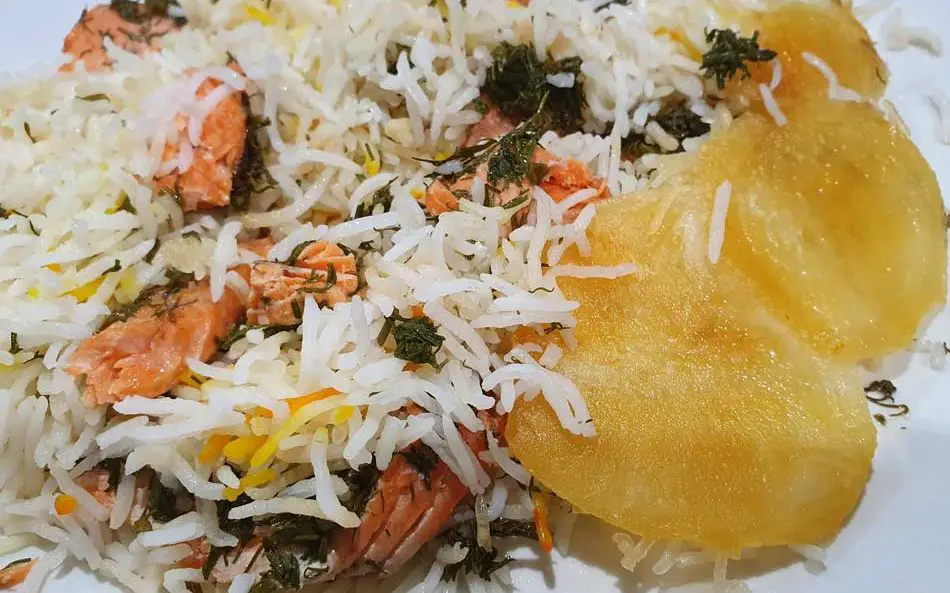
      I recently had a similar dish to this at a friend’s house and it was absolutely delightful. So when we had left over Salmon from Christmas lunch this year I decided to make my own rendition of Sabzi Mahi Polo. Hope you enjoy it. My husband had cooked the salmon on the BBQ for Christmas…

    • Baghali Polo – Rice with Broad Beans, Dill & Chicken

      Baghali Polo – Rice with Broad Beans, Dill & Chicken

      Baghali Polo is a traditional rice dish combining the flavours of the delicate Broad bean with Dill. This recipe includes chicken and becomes a complete meal. Although it can be a little time-consuming to remove the outer husks from the broad bean, it is a quick and easy Iranian meal, served with Yoghurt, mixed tomato…

    • Easy Adas Polo with Lamb

      Easy Adas Polo with Lamb

      This Adas Polo recipe with Lamb, and although it takes a while to cook, it is one of the easiest Persian recipes. Boil the lamb, onion, turmeric, salt pepper in a pressure cooker until the lamb pieces are well cooked. I usually then place this in fridge over night to remove excess fat that has…

    • Polo – White Persian Rice

      Polo – White Persian Rice

      Polo is classic Persian steamed white rice, prized for its separate, fluffy grains and crisp golden tahdig. Once you understand the parboiling and steaming method, it becomes a reliable foundation for almost any Persian meal.

    • Adas Polo

      Adas Polo

      Adas Polo is a comforting Persian rice dish layered with green lentils, sweet onions and warming spices. It is one of those family-friendly meals that can be served on its own or alongside meat, yoghurt and a fresh salad.

    • Sabzi Polo

      Sabzi Polo

      Sabzi Polo is fragrant Persian herb rice, traditionally served with fish for Nowruz but delicious at any time of year. The fresh herbs give the rice its beautiful colour and aroma, while a golden tahdig makes it especially inviting at the table.