Blog

  • Dried Lime

    Dried Lime

    Dried lime, known as limoo amani, is one of the flavours that makes a Persian khoresh immediately recognisable. Whole or ground, it gives stews a deep sourness with a slightly fermented, earthy edge that fresh lime alone cannot copy.

    What is it?

    Dried limes are small limes that have been blanched or boiled and then dried until the peel is hard and the inside is dark. They may be pale tan, brown or almost black. In Persian cooking they are used whole, pierced, crushed or ground.

    What does it taste like?

    The flavour is tart, aromatic and pleasantly bitter, with earthy citrus notes. The interior can become strongly bitter if it breaks apart and releases too many seeds, so whole limes are usually pierced and removed before serving.

    Why is it used in Persian cooking?

    Persian food often balances sweet, sour and savoury flavours. Dried lime gives khoresh a rounded acidity that survives long, slow cooking. It is particularly at home with herbs, lamb, eggplant, split peas and okra.

    How to choose it

    Choose whole dried limes that feel light, dry and firm, without damp patches or mould. A citrus aroma should be noticeable when the packet is opened. Black limes tend to taste smokier and more intense; paler limes are often cleaner and sharper.

    How to prepare it

    Rinse whole dried limes, then pierce each one several times with a skewer or the tip of a small knife. Add them early enough to soften and release flavour, usually during the simmering stage. Press them gently against the side of the pot near the end, then remove before serving if you prefer less bitterness. Ground dried lime can be added by the quarter-teaspoon.

    Storage tips

    Keep dried limes in an airtight jar in a cool, dark and dry cupboard. Whole limes keep their aroma longer than ground lime. Buy ground limoo amani in small amounts and replace it when the citrus fragrance fades.

    Nutritional benefits

    Dried lime contains citrus compounds, but it is usually used in small amounts and much of a whole lime may be removed before serving. Drying and prolonged cooking can reduce heat-sensitive nutrients such as vitamin C. Treat it primarily as a flavouring rather than a major nutritional source.

    Common substitutes

    Fresh lime juice is the easiest substitute: add it near the end of cooking so its brightness remains. Lemon juice also works. For more depth, combine fresh lime juice with a little grated zest. Sumac adds tartness but not the same fermented citrus character.

    Recipes using the ingredient

    FAQ

    Why should I pierce dried lime?

    Piercing lets the cooking liquid enter and carry the lime flavour into the stew.

    Why is my stew bitter?

    A lime may have split open, or too much ground lime was added. Start modestly and remove whole limes before serving.

    Can I eat the whole dried lime?

    It is edible, but the peel, pith and seeds can be intensely bitter. Most cooks use it to flavour the dish and remove it.

    Is black lime the same thing?

    Black lime is a type of dried lime. Colour and intensity vary with the lime and drying method.

  • Khiar Shoor: Persian Pickled Cucumber

    Khiar Shoor: Persian Pickled Cucumber

    Khiar shoor is the salty, crisp Persian pickle that brings a lively bite to sandwiches, salads and family platters. It is quite different from a sweet pickle, and in our house its sharp crunch is especially welcome beside rich or creamy foods.

    What is it?

    Khiar shoor literally means salted cucumber. Small cucumbers are preserved in a brine usually flavoured with herbs, garlic and sometimes chilli. They range from tiny gherkin size to larger dill-cucumber size, but the defining feature is that they are salty and sour rather than sweet.

    What does it taste like?

    Expect a clean salty-sour flavour, plenty of crunch and a gentle herbal or garlicky aroma. A good khiar shoor should taste lively without being soft, sugary or overwhelmingly vinegary.

    Why is it used in Persian cooking?

    Persian cooking often balances rich, creamy and savoury foods with something tart. Khiar shoor cuts through mayonnaise-based salads, adds crunch to sandwiches and wakes up a simple plate of bread, cheese and herbs. It is also an easy condiment to put on the table when guests arrive.

    How to choose it

    Look for firm cucumbers sitting below clear or lightly cloudy brine. Avoid jars with leaking lids, badly swollen caps or cucumbers that look very soft. Check the ingredients and choose a product without added sugar when you want the traditional savoury flavour.

    How to prepare it

    Drain the amount you need and slice, dice or serve whole. For Salad Olivieh, dice the pickles quite finely so their flavour is spread through every spoonful. If a pickle is exceptionally salty, a quick rinse and thorough drain will soften the saltiness.

    Storage tips

    Store unopened jars according to the label. Once opened, refrigerate the jar, keep the cucumbers submerged in their brine and use clean utensils. Do not return pickles that have been sitting on a serving plate to the jar.

    Nutritional benefits

    Khiar shoor is low in kilojoules and adds strong flavour without a heavy sauce. It can, however, be high in sodium, so enjoy a sensible portion if you need to limit salt. Fermented versions may contain live cultures, while vinegar-pickled and heat-processed products generally do not.

    Common substitutes

    Use an unsweetened dill pickle, kosher-style pickle or cornichon. Check the label carefully because many commercial gherkins contain sugar. If only sweet pickles are available, they will change the character of the finished dish.

    Recipes using the ingredient

    Finely chopped khiar shoor is essential to the flavour and texture of Salad Olivieh. It also works beautifully in the vegetarian egg Salad Olivier, or sliced beside Koobideh Kebab.

    FAQ

    Is khiar shoor the same as a sweet gherkin?

    No. Traditional khiar shoor is salty and sour, with no sweet pickle flavour.

    Can I use dill pickles instead?

    Yes, provided they are crisp and unsweetened. Dill pickles are the easiest widely available substitute.

    Should I rinse khiar shoor before using it?

    Usually no. Drain it well and taste first; rinse briefly only when the brine is too salty for the dish.

  • Kashk

    Kashk

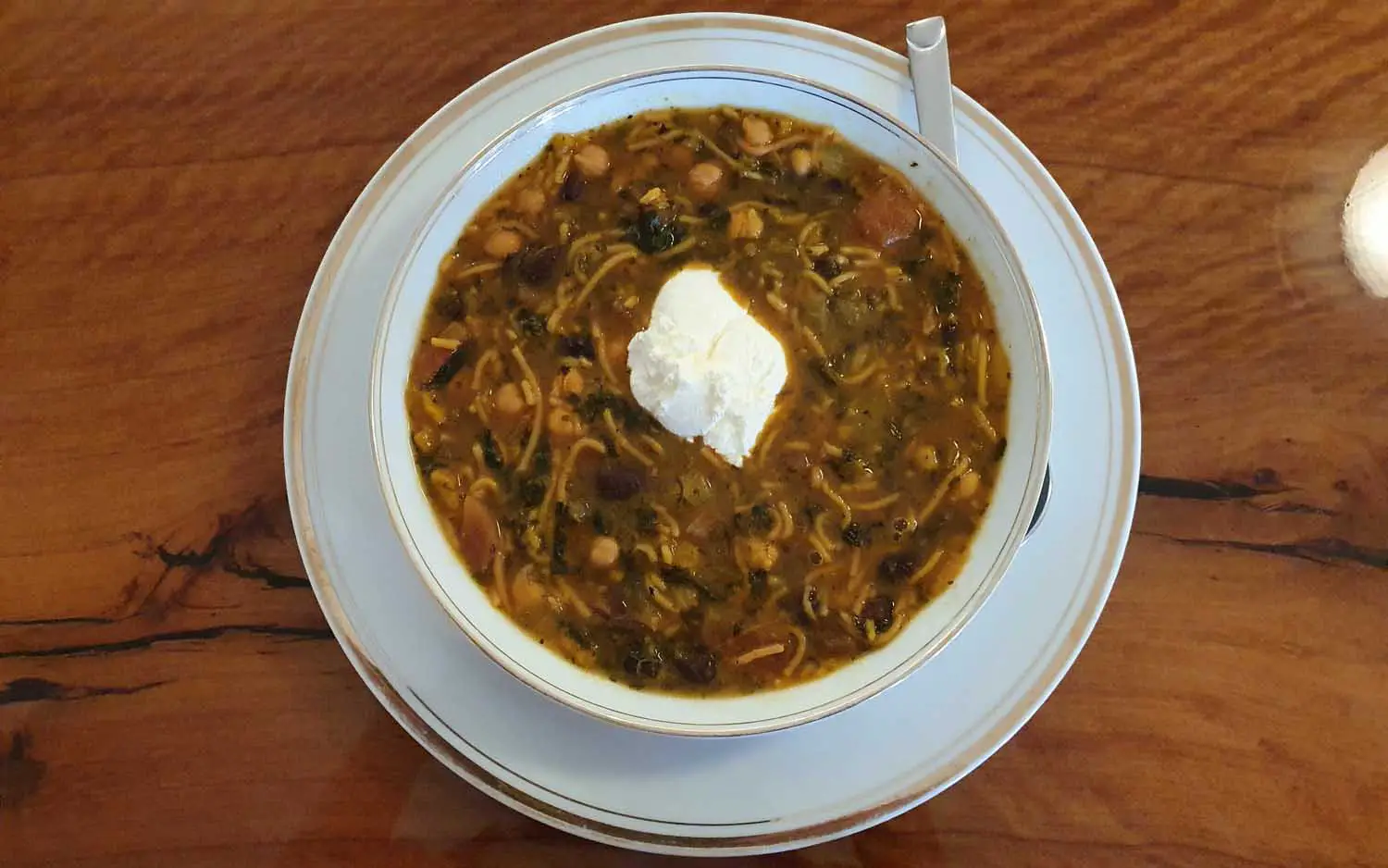
    Kashk is one of those ingredients that gives Persian food its unmistakable character. This fermented dairy product is salty, tangy and creamy, and a small amount can transform a bowl of ash or a plate of eggplant into something deeply savoury. It is sold as a thick liquid, a paste or a dried product, so the strength and texture can vary between brands.

    What is it?

    Kashk is a preserved fermented dairy product used across Iran and neighbouring regions. Traditional versions are made by fermenting and drying yoghurt or buttermilk. For everyday cooking, bottled liquid kashk is the easiest form to use. Dried kashk must be soaked and softened before it is added to a dish. Always choose a food-grade product and follow the preparation directions on the packet.

    What does it taste like?

    Kashk tastes pleasantly sour, salty and intensely dairy-rich. Its flavour is stronger than plain yoghurt and more savoury than sour cream. Some brands are quite sharp or salty, so taste before adding extra salt to the dish.

    Why is it used in Persian cooking?

    Persian cooks use kashk for flavour, body and contrast. It enriches soups, balances sweet fried onion and mint garnishes, and adds a creamy finish without making a dish taste bland. It is especially associated with ash-e reshteh and kashke bademjan.

    How to choose it

    Look for kashk in Persian or Afghan grocery stores. Bottled kashk should have a clean tangy aroma, an intact seal and a clear use-by date. Compare sodium levels if that matters to you because brands vary. A smooth pourable product is convenient for garnishing, while a thicker kashk works well stirred into eggplant dishes.

    How to prepare it

    Shake or stir bottled kashk before use. If the label requires heating, simmer it gently according to the manufacturer’s directions. Thin very thick kashk with a little warm water, adding one spoonful at a time. Add it gradually near the end of cooking and keep some aside for the traditional swirl on top.

    Storage tips

    Store unopened kashk as directed on the label. Once opened, refrigerate it in a clean, tightly closed container and use it within the manufacturer’s recommended period. Never dip a used spoon back into the bottle. Dried kashk should be kept cool and dry, away from moisture.

    Nutritional benefits

    As a fermented dairy food, kashk can provide protein and minerals such as calcium and phosphorus. The exact nutrition varies greatly with the type and concentration. Commercial kashk may also be high in sodium, so the package nutrition panel is the best guide for serving size.

    Common substitutes

    For the closest easy substitute, combine thick Greek yoghurt with a little salt and lemon juice. Sour cream gives a richer result, while thickened buttermilk is lighter. These substitutes will not have the same fermented depth, but they work when kashk is unavailable. Use a plant-based unsweetened yoghurt for a dairy-free variation, adjusting the salt and acidity to taste.

    Recipes using the ingredient

    FAQ

    Is kashk the same as yoghurt?

    No. Kashk is fermented and concentrated, giving it a stronger, saltier and more savoury flavour.

    Can I eat bottled kashk straight from the container?

    Follow the label. Some products are ready to use, while others should be heated before serving.

    Is kashk vegetarian?

    It is generally a dairy product, but check the ingredient list if you follow a particular vegetarian diet.

    How much should I add?

    Start with a tablespoon or two, taste, and build the flavour gradually because brands differ in strength and saltiness.

  • Ghee

    Ghee

    Ghee, or clarified butter, is butter that has been gently cooked so most of the water and milk solids are removed. The result is a rich golden cooking fat that tolerates more heat than ordinary butter. It is readily available in supermarkets and Persian, Afghan and Indian grocery stores.

    What is it?

    Ghee is made by heating butter, allowing the water to evaporate and separating the clear butterfat from the milk solids. Traditional ghee may be cooked long enough for the solids to brown slightly before straining, which gives it a deeper aroma than simply clarified butter.

    What does it taste like?

    Ghee tastes buttery, rich and slightly nutty. A pale ghee is usually mild; a deeper golden product may have a toasted, caramel-like aroma. It should smell clean, never sour, cheesy or rancid.

    Why is it used in Persian cooking?

    Ghee adds richness and helps rice, tahdig and other foods brown without the milk solids in ordinary butter burning as quickly. A small amount carries saffron and spice aromas beautifully. It is useful when you want buttery flavour with a higher-heat cooking fat.

    How to choose it

    Choose plain ghee with a clean ingredient list, an intact seal and a fresh date. Compare the aroma and colour between brands; both can vary. If dairy sensitivity is a concern, remember that ghee is made from milk and trace milk proteins may remain, so check the label and seek appropriate advice.

    How to prepare it

    Ghee is ready to use straight from the jar. Scoop it with a clean, dry spoon and melt only what you need. Use it to coat the base of a rice pot, dot over layered rice or sauté ingredients. It can become very hot, so cook attentively and do not rely on smoke alone as a temperature guide.

    Storage tips

    Follow the package directions. Many commercial ghees can be kept tightly closed in a cool, dark cupboard, but refrigeration is sensible in very warm conditions or when the label requires it. Keep water, crumbs and used utensils out of the jar to prevent spoilage.

    Nutritional benefits

    Ghee is a concentrated source of fat and energy and contains a high proportion of saturated fat. It may contain small, variable amounts of fat-soluble vitamins, but it should not be treated as a health supplement. Use it for flavour in modest amounts and consider unsaturated oils such as olive or canola oil for everyday cooking.

    Common substitutes

    Clarified butter is the closest substitute. Ordinary butter works at lower temperatures but its milk solids can brown or burn. Neutral oil suits high-heat cooking, while olive oil gives a different but pleasant flavour. A half butter, half neutral-oil mixture can provide buttery taste with a little more flexibility.

    Recipes using the ingredient

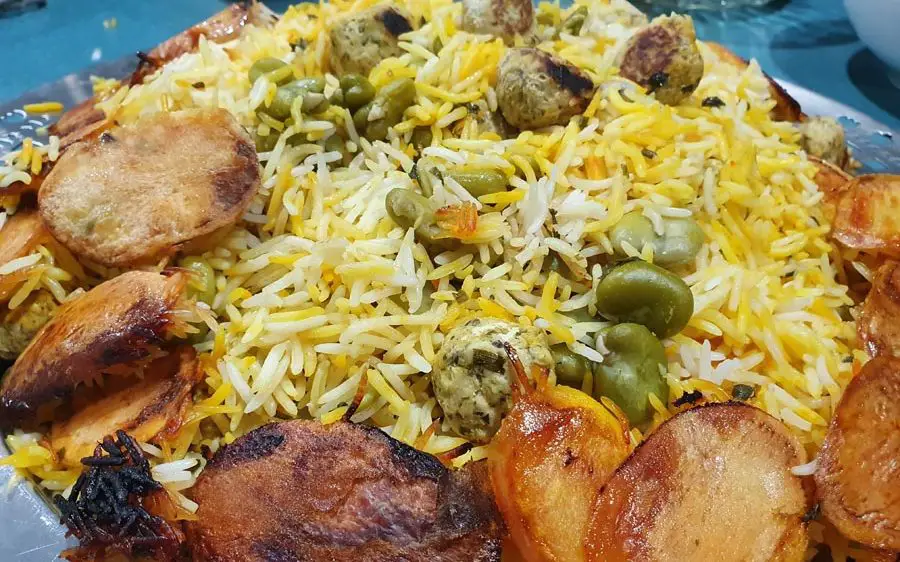
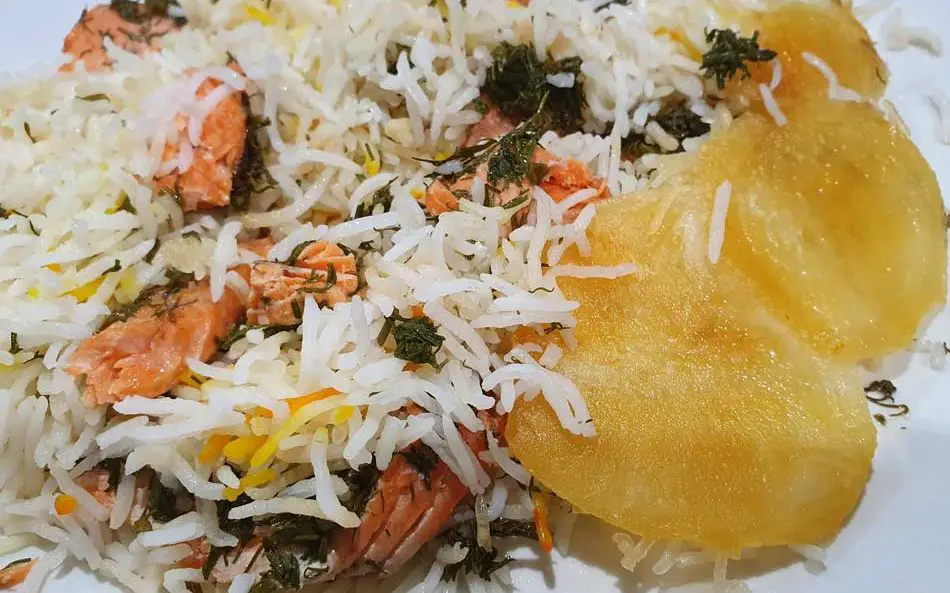
    Use ghee in Polo – Persian Rice and Salmon and Dill Layered Rice. It can also be used when preparing Baghali Polo.

    FAQ

    Is ghee the same as butter?

    It begins as butter, but most water and milk solids have been removed, so it behaves differently in cooking.

    Does ghee need refrigeration?

    Follow the label. Keep it cool, dark, tightly closed and free from moisture.

    Is ghee dairy-free?

    No. It is made from milk, and trace milk proteins may remain even though most solids are removed.

    Can I use olive oil instead?

    Yes in many savoury dishes, but the flavour and texture will be different.

  • Okra

    Okra

    Okra is a vegetable people tend to love once it is cooked well. Its tender green pods are especially suited to tomato-based stews, where they absorb the sauce and help give the khoresh a naturally silky body.

    What is it?

    Okra is the ridged green seed pod of a flowering plant and is widely cooked across the Middle East, Africa, India and the southern United States. When cut, it releases a natural thickening substance often described as slippery or mucilaginous.

    What does it taste like?

    Okra has a mild grassy flavour with a hint of sweetness. Small pods become tender while keeping their shape, and the seeds add a delicate texture. Larger, older pods can be woody and fibrous.

    Why is it used in Persian cooking?

    In Khoresht Baamieh, okra soaks up a savoury tomato sauce while gently thickening it. Its fresh flavour balances slow-cooked meat and spices, and the whole pods look beautiful in the finished stew.

    How to choose it

    Look for bright, unblemished pods that feel firm but not hard. Small to medium okra, generally under about 10 centimetres, is more likely to be tender. If fresh okra is unavailable, frozen whole okra is usually preferable to canned for stew.

    How to prepare it

    Rinse the pods and dry them thoroughly. Trim only the very end of the stem without cutting into the pod, which helps keep the seeds and thickening juices inside. Frying or sautéing the whole pods briefly before adding them to stew can help them retain their shape.

    Storage tips

    Keep fresh okra dry and loosely wrapped in the refrigerator, and use it within a few days. Moisture encourages dark spots and softening. Frozen okra can be cooked from frozen or briefly thawed, depending on the recipe.

    Nutritional benefits

    Okra provides fibre, vitamin C, vitamin K and folate while being naturally low in kilojoules. Its soluble fibre contributes to the thick texture of the cooking liquid. Nutrition in a finished khoresh also depends on the meat, oil and serving size.

    Common substitutes

    There is no exact substitute for whole okra. Green beans or zucchini can provide green colour and tenderness but will not thicken the sauce. If thickening is the main goal, allow the stew to reduce naturally rather than adding too much starch.

    Recipes using the ingredient

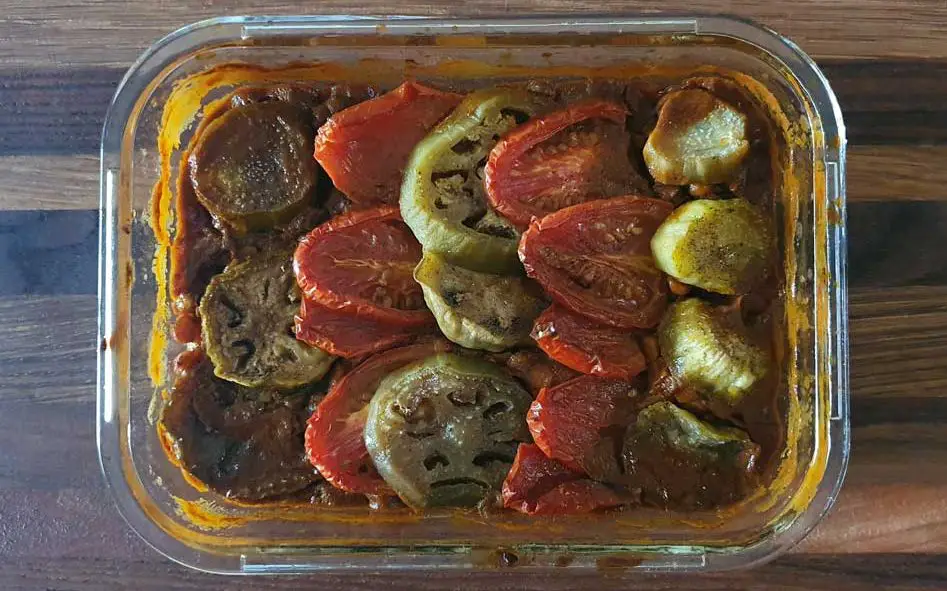
    The essential recipe is Khoresht Baamieh, Persian lamb stew with okra. Serve it with steamed Persian rice so every drop of the tomato sauce can be enjoyed.

    FAQ

    How do I make okra less slimy?

    Keep the pods whole, dry them well, avoid cutting into the seed cavity and do not stir the stew more than necessary.

    Can I use frozen okra for khoresh?

    Yes. Frozen whole okra is convenient and works well, although fresh small pods usually hold their texture best.

    Why is my okra tough?

    The pods were probably too mature. Choose smaller pods that bend slightly and do not feel hard or fibrous.

  • Almonds

    Almonds

    Almonds appear in Persian cooking in almost every form: whole and salted in adjil, slivered through fragrant rice, and ground into delicate biscuits and cakes. Their mild flavour works beautifully with saffron, cardamom and rose water, which is why I always keep a packet in the pantry.

    What is it?

    Almonds are the edible seeds of the almond tree. They are sold in their skins, blanched, slivered, flaked, roasted, ground into almond meal or made into paste. Sweet almonds are the everyday culinary variety; bitter almonds are different and should not be used unless a regulated food product is specifically intended for cooking.

    What does it taste like?

    Almonds are gently sweet and nutty, with a clean flavour that becomes deeper after roasting. Skin-on almonds taste slightly earthier, while blanched almonds are mild and creamy. Almond meal gives baking a rich, moist texture.

    Why is it used in Persian cooking?

    Almonds add texture and elegance without overpowering delicate spices. Slivered almonds decorate rice dishes such as shirin polo, ground almonds form the base of chewy sweets, and whole roasted almonds belong in adjil. They pair particularly well with pistachio, saffron, cardamom, citrus and rose water.

    How to choose it

    Choose almonds that smell fresh and feel dry and crisp. Avoid nuts with shrivelled kernels, dark spots or a paint-like, bitter smell, which can indicate rancidity. For baking, buy almond meal with a fresh date and choose blanched meal when you want a pale, fine result.

    How to prepare it

    Toast almonds gently in a dry pan or low oven until fragrant, watching closely because they colour quickly. To blanch whole almonds, cover with boiling water for about a minute, drain, then slip off the skins. Cool completely before chopping or grinding. When making almond meal, pulse briefly so the oils do not turn it into almond butter.

    Storage tips

    Keep almonds airtight in a cool, dark place. Refrigeration is best in a warm climate and for opened packets; freezing works well for longer storage. Almond meal has more surface area and becomes stale faster than whole nuts, so keep it cold and use a clean, dry scoop.

    Nutritional benefits

    Almonds provide plant protein, fibre, unsaturated fats, vitamin E and magnesium. They are energy-dense, so a small handful is a useful everyday portion. Flavoured or salted almonds may contain added sugar, oil or sodium; the packet label gives the most accurate information.

    Common substitutes

    Pistachios are an excellent Persian-style substitute in sweets and garnishes, although their colour and flavour are stronger. Cashews give a softer, creamier result. Hazelnut meal can replace almond meal in some cakes, but it changes the flavour. For nut-free cooking, use toasted pumpkin or sunflower seeds where the recipe allows.

    Recipes using the ingredient

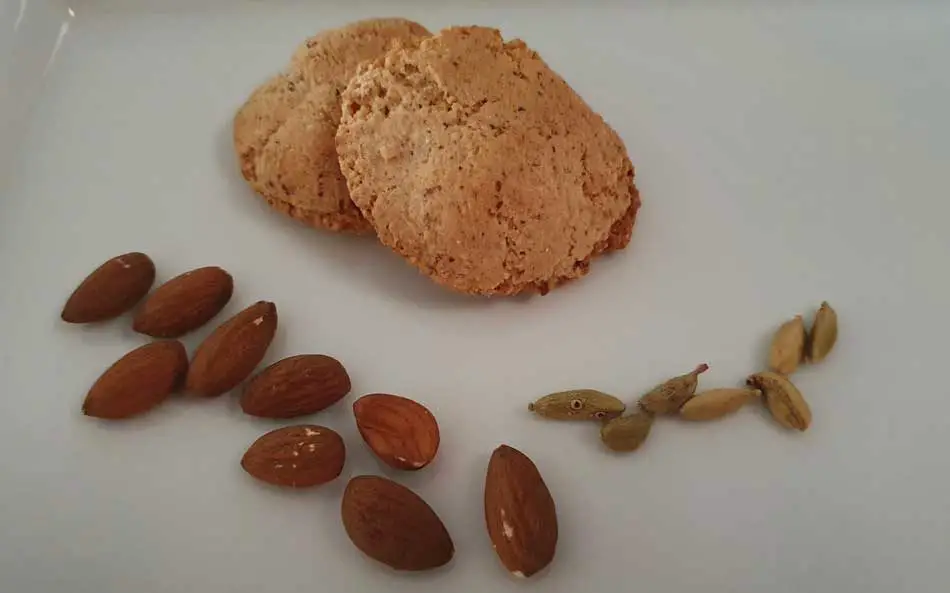
    Try Ghorabieh – Persian Almond Cookies, Almond Cake with Cardamom and Cinnamon and Almond Pastry Twists. Almonds are also a natural addition to Adjil.

    FAQ

    Are almond meal and almond flour the same?

    The names overlap. Almond flour is usually finer and often blanched, while almond meal may be coarser and include skins.

    Should I toast almonds before using them?

    Toasting strengthens the flavour, but it is optional and not always wanted in delicate baking.

    Can I substitute almond meal for wheat flour?

    Not cup for cup in every recipe. Almond meal contains no gluten and absorbs liquid differently, so use a recipe designed for it.

    How do I know almonds have gone rancid?

    They may smell like paint or old oil and taste unpleasantly bitter. Discard them.

  • Adjil

    Adjil

    Adjil is the bowl everyone gathers around. This Persian mix of nuts, seeds and dried fruit can be sweet, salty or somewhere in between, and every family seems to make it differently. I like that there is no strict recipe: use the ingredients you enjoy and adjust the balance for the occasion.

    What is it?

    Adjil is a Persian snack mix made from nuts, seeds and sometimes dried fruit. A salty adjil may include pistachios, almonds, walnuts, hazelnuts, pumpkin seeds and sunflower seeds. Sweet adjil leans towards unsalted nuts with raisins, mulberries, figs, apricots or other dried fruit. It is commonly offered to guests and enjoyed during celebrations such as Nowruz and Yalda.

    What does it taste like?

    The flavour depends entirely on the mix. Roasted nuts and seeds are crisp, savoury and nutty; dried fruit adds chewy sweetness and a little acidity. Salted versions are moreish and robust, while sweet adjil is gentler and lets each fruit and nut keep its own character.

    Why is it used in Persian cooking?

    Adjil is less an ingredient in a cooked dish and more a part of Persian hospitality. A generous bowl is easy to share with tea, bring out when visitors arrive or place on the table for a celebration. The variety also means everyone can find a favourite piece.

    How to choose it

    Choose nuts and seeds that smell fresh and feel crisp, never stale, oily or bitter. Dried fruit should be pliable rather than damp or sticky. For a ready-made mix, check the use-by date and avoid packets with condensation. If salt matters to you, compare labels or blend salted nuts with unsalted ones.

    How to prepare it

    Adjil needs very little preparation. Combine equal handfuls of your chosen nuts and seeds, then add dried fruit to taste. Keep very small seeds in a separate bowl if they fall to the bottom. For stronger flavour, warm raw nuts briefly in a low oven, cool them completely and only then mix with the fruit.

    Storage tips

    Store adjil in an airtight container in a cool, dark cupboard. In warm weather, or for longer storage, refrigerate nuts so their natural oils stay fresh. Keep dried fruit dry and discard the whole mix if you notice mould, insects or a rancid smell.

    Nutritional benefits

    Nuts and seeds provide plant protein, fibre and mostly unsaturated fats, while the exact vitamins and minerals vary with the mix. Dried fruit contributes carbohydrate and natural sugars in a concentrated form. Adjil is energy-dense, and salted versions can contain considerable sodium, so a small handful is a practical serving.

    Common substitutes

    There is no fixed formula to replace. Use any fresh nuts, seeds or dried fruit available to you. Roasted chickpeas can add crunch, coconut flakes add sweetness, and unsalted popcorn can lighten the mix. Always consider nut and seed allergies when serving guests and label the bowl if necessary.

    Recipes using the ingredient

    Adjil is normally served as a snack rather than cooked, but its flavours lead naturally to Persian sweets. Try Ghorabieh – Persian Almond Cookies and Pistachio Nougat – Gaz. You can also explore the Almonds guide and Walnuts guide.

    FAQ

    Is adjil sweet or salty?

    It can be either. Sweet adjil usually includes more dried fruit and unsalted nuts; salty adjil focuses on roasted, salted nuts and seeds.

    Do I need to roast the nuts?

    No. Use raw or roasted nuts according to your taste, but cool home-roasted nuts before storing.

    Is adjil the same in every Persian household?

    Not at all. The mix is personal and often changes with the family, season and occasion.

    Can I make adjil ahead?

    Yes. Store it airtight and add very soft dried fruit closer to serving if you want the nuts to remain especially crisp.

  • Spinach Pastry

    Spinach Pastry

    A simple and easy pastry to serve as an appetiser or a simple lunch.

    Spinach Pastries

    A simple and easy pastry to serve as an appetiser or a simple lunch.
    5 from 1 vote
    Prep Time 30 minutes
    Cook Time 30 minutes
    Total Time 1 hour
    Course Appetizer, Snack
    Cuisine Persian
    Servings 24 pieces
    Calories 410 kcal

    Ingredients
      

    • 1 bunch of English spinach
    • 1 bunch of shallots
    • 2 eggs
    • 250 g ricotta cheese
    • 250 g feta cheese
    • 1 cup of flour
    • 6 sheets of frozen puff pastry
    • 1 egg beaten for glazing
    • sesame seeds

    Instructions
     

    • Lay out frozen pastry on a flat surface, separating each sheet with a sharp knife. Leave to defrost while preparing the filling. Preheat oven to 160deg fan-forced.
    • in the bowl of a food processor, process the spinach and the shallots,
    • Add the eggs and the cheeses and process further.
    • Add the flour to create a slightly thickened paste.
    • Cut each square of pastry into 4 smaller squares.
    • Place a dollop of filling into each pastry square and fold the corners in to create a smaller square and pinch the corners.
    • Brush with beaten egg and sprinkle with sesame seeds.
    • Bake in a preheated oven for about 30-40 minutes till golden brown.
    • Cool on a wire rake to prevent them going soggy.

    Notes

    These can be frozen after step 7, just lay them on a flat baking try and freeze over night. Then pack into freezer bags and bake as required.

    Nutrition

    Calories: 410kcalCarbohydrates: 32gProtein: 8gFat: 28gSaturated Fat: 8gPolyunsaturated Fat: 3gMonounsaturated Fat: 14gTrans Fat: 1gCholesterol: 35mgSodium: 288mgPotassium: 70mgFiber: 1gSugar: 1gVitamin A: 130IUVitamin C: 1mgCalcium: 83mgIron: 2mg
    Keyword spinach
    Tried this recipe?Let us know how it was!
  • Marinated Persian Feta Cheese

    Marinated Persian Feta Cheese

    Marinated Persian Feta Cheese is a wonderful accompaniment to a light lunch or breakfast. And it is a healthy choice. Feta cheese is considered to be one of the healthiest cheeses available.

    True Persian feta cheese is made from goats or sheep milk making it easier to digest than cows milk based cheeses, combined with olive oil this side dish a healthy addition to a salad or with Persian Barbari Bread as a popular breakfast.

    I usually keep this oil mixture constantly adding more feta cheese when it is finished, and topping with more oil and herbs and spices. The perpetual marinating oil.

    persian marinated feta cheese

    Keep the jar in the fridge for longer storage. The olive oil will solidify when in the fridge. Just leave it on the shelf for an hour or so before serving to return the olive oil to liquid.

    The marinating olive oil itself is wonderful as a dipping oil for bread, and can be used as a salad dressing mixed with a little lemon juice or the tart verjuice often used on Persian kitchens.

    persian marinated feta cheese

    Marinated Persian Feta Cheese

    Marinated Persian Feta Cheese is a wonderful accompaniment to a light lunch or breakfast. And it is a healthy choice. Feta cheese is considered to be one of the healthiest cheeses available. True Persian feta is made from goats or sheep milk making it easier to digest than cows milk based cheeses and combined with olive oil this side dish a healthy addition to a salad or with bread as a popular breakfast.
    5 from 1 vote
    Prep Time 15 minutes
    Marinating Time 14 days
    Total Time 14 days 15 minutes
    Course Appetizer, Side Dish
    Cuisine Persian
    Servings 10 servings
    Calories 326 kcal

    Ingredients
      

    • 500 g feta cheese
    • 1 tsp black pepper
    • 2 sprigs of fresh rosemary
    • 2 tbls fresh chopped basil
    • 3 sun-dried tomatoes
    • 1 tsp rock salt
    • 1 cup olive oil

    Instructions
     

    • Cut the feta cheese into cubes about 1cm square.
    • Wash and sterilize a glass jar.
    • Pack the feta cheese gently into the glass jar.
    • Gently place on top the peppercorns, chopped basil, sun-dried tomatoes, salt and the rosemary around the feta cheese
    • Pour sufficient olive oil over the cheese to entirely cover the ingredients.
    • Seal and store in the refrigerator.
    • Allow at least 2 weeks to allow the flavors to develop.

    Notes

    I usually keep this oil mixture constantly adding more feta cheese when it is finished, and topping with more oil and herbs and spices. The perpetual marinating oil.
    Keep the jar in the fridge for longer storage. The olive oil will solidify when in the fridge. Just leave it on the shelf for an hour or so before serving to return the olive oil to liquid.
    The marinating olive oil itself is wonderful as a dipping oil for bread, and can be used as a salad dressing mixed with a little lemon juice or the tart verjuice often used on Persian kitchens.

    Nutrition

    Serving: 50gCalories: 326kcalCarbohydrates: 2gProtein: 7gFat: 32gSaturated Fat: 10gPolyunsaturated Fat: 3gMonounsaturated Fat: 18gCholesterol: 45mgSodium: 804mgPotassium: 56mgFiber: 1gSugar: 1gVitamin A: 239IUVitamin C: 1mgCalcium: 249mgIron: 1mg
    Keyword feta cheese
    Tried this recipe?Let us know how it was!
  • Torshe – Mixed Pickles

    Torshe – Mixed Pickles

    Mixed Pickle or Torshe Makhloot is only one of the many versions of pickles coming from the Persian Kitchen. Generally any fresh, in season vegetable can be used. The torshe is traditionally made once a year when the required vegetables are fresh and the family would make enough to last the year.

    Mixed Pickle – Torshe Makhloot

    Mixed Pickle or Torshe Makhloot is only one of the many versions of pickles coming from the Persian Kitchen. Generally any fresh, in season vegetable can be used. The torshe is traditionally made once a year when the required vegetables are fresh and the family would make enough to last the year.
    5 from 1 vote
    Prep Time 1 hour
    Cook Time 0 minutes
    Developing Time 60 days
    Total Time 60 days 1 hour
    Course Side Dish
    Cuisine Persian
    Servings 6 bottles
    Calories 160 kcal

    Ingredients
      

    • 3 large carrots
    • 1 large eggplant
    • 2 large zucchini
    • 2 stalks celery
    • 1 large onion
    • 1 whole cauliflower
    • 1 large red capsicum
    • 1 large green capsicum
    • 3 small green chilli
    • 3 tlbs salt
    • 1 bunch parsley
    • 1 bunch coriander
    • 2 tlbs dried mint
    • 1 tlbs nigella seeds
    • 1 tlbs dill seeds
    • 2-4 litres cider vinegar (as required)

    Instructions
     

    • Sterilize the jars.
    • Peel and thickly slice the eggplant, brush with oil and grill on both side till cooked. Put aside to cool.
    • To prepare the remaining vegetables, peel and dice the carrots, zucchini, celery and onion. Remove the seeds from the capsicum, and dice. Break the cauliflower into small florets.
    • Slice the cooked eggplant into long strips.
    • Place all vegetables into a large bowl.
    • Finely chop the herbs, including the stalks and add to the bowl.
    • Roughly stir to ensure that they are well distributed.
    • Sprinkle on the top of the vegetables, the salt, dried mint, nigella seeds and dill seeds and stir through.
    • Firmly pack all the vegetables into the jars to about 2 cm from the top.
    • Cover with vinegar to the top of the jar and seal.
    • Store for at least 2 months to allow the vegetable to soften and for the flavours to develop.

    Notes

    The secret to good torshe is generally the length of time the torshe is left before opening. The longer the jars are left unopened the more developed the flavours.

    Nutrition

    Calories: 160kcalCarbohydrates: 23gProtein: 4gFat: 1gSaturated Fat: 1gPolyunsaturated Fat: 1gMonounsaturated Fat: 1gSodium: 341mgPotassium: 1063mgFiber: 7gSugar: 12gVitamin A: 8190IUVitamin C: 98mgCalcium: 99mgIron: 3mg
    Keyword pickles
    Tried this recipe?Let us know how it was!
  • Yoghurt & Cucumber – Mast-o-Khiar

    Yoghurt & Cucumber – Mast-o-Khiar

    Mast-o-Khiar is a cool Persian yoghurt and cucumber dip that is always welcome beside rice, kebabs or warm bread. It is quick to prepare, wonderfully fresh and one of those simple dishes that regularly appears on our family table.

  • Yogurt and Spinach – Borani Esfenaj

    Yogurt and Spinach – Borani Esfenaj

    Spinach and yogurt goes really well together. This simple recipe combines the flavours of spinach, garlic and yogurt to make a simple dip, and using frozen spinach makes it a quick and easy accompaniment to a trio of dips.

    In this recipe I use powdered garlic, not only does this make it quicker to prepare, but the flavour of the garlic is easily mixed into the yogurt.

    Yogurt & Spinach recipe

    Place the frozen spinach in a microwave jug, and microwave for 30 – 60 seconds until defrosted.

    frozen spinach

    Stir through and squeeze out as much liquid as possible.

    microwave spinach

    Add to a mixing bowl with the thickened yogurt, salt, pepper and garlic powder.

    spinach yoghurt and garlic powder

    Gently stir together to combine well. Be careful not to mix to vigorously as this will release the liquid from the yoghurt, making it watery.

    spinach and yogurt

    Enjoy with Persian barbari bread or pita crisps or as a side dish to Persian layered rice or with grilled vegetables for a delicious vegetarian meal.

    Yoghurt & Spinach - Mast-o Esfenaj
    Yoghurt & Spinach - Mast-o Esfenaj

    Yogurt and Spinach – Borani Esfenaj

    Borani Esfenaj or mast-o-esfanaj is an interesting side dish to compliment many main meals.
    5 from 1 vote
    Prep Time 10 minutes
    Total Time 10 minutes
    Course Appetizer, Salad, Side Dish
    Cuisine Persian
    Servings 4 servings
    Calories 48 kcal

    Ingredients
      

    • 125 g frozen spinach
    • 250 g natural yogurt Greek style
    • ½ tsp salt
    • ¼ tsp garlic powder

    Instructions
     

    • Microwave the spinach for around 1 minute till defrosted
    • Drain in a colander to remove excess liquid
    • Place the yogurt in a bowl with the salt and garlic powder drained, cooled spinach
    • Gently stir through

    Notes

    Any natural yogurt can be used to make this delicious yogurt dip, but the Greek style yogurt is a thicker yogurt making a better dipping consistency.

    Nutrition

    Calories: 48kcalCarbohydrates: 4gProtein: 3gFat: 2gSaturated Fat: 1gPolyunsaturated Fat: 1gMonounsaturated Fat: 1gCholesterol: 8mgSodium: 343mgPotassium: 207mgFiber: 1gSugar: 3gVitamin A: 3726IUVitamin C: 2mgCalcium: 116mgIron: 1mg
    Keyword spinach, yoghurt, yogurt
    Tried this recipe?Let us know how it was!

    Traditionally borani is a dish where a vegetable has been boiled, then sautéed with garlic and topped with yogurt. Borani Esfenaj is simply a dish where the spinach is boiled, and then sautéed with garlic.

    This recipes is a quick adaptation of the traditional Borani Esfanaj using frozen spinach and garlic powder.

    Learn more about traditional borani on Wikipedia.