
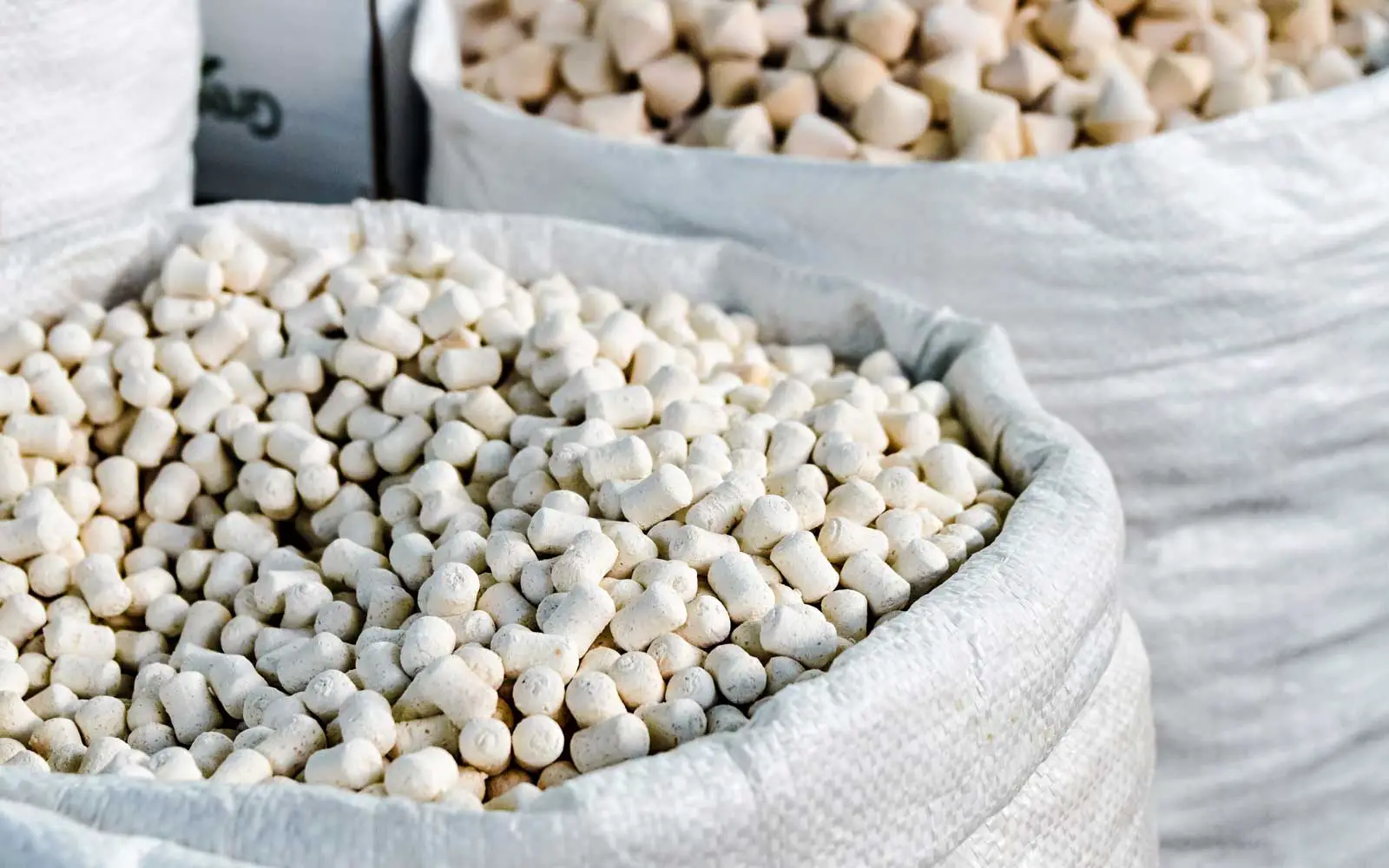
Kashk is one of those ingredients that gives Persian food its unmistakable character. This fermented dairy product is salty, tangy and creamy, and a small amount can transform a bowl of ash or a plate of eggplant into something deeply savoury. It is sold as a thick liquid, a paste or a dried product, so the strength and texture can vary between brands.
What is it?
Kashk is a preserved fermented dairy product used across Iran and neighbouring regions. Traditional versions are made by fermenting and drying yoghurt or buttermilk. For everyday cooking, bottled liquid kashk is the easiest form to use. Dried kashk must be soaked and softened before it is added to a dish. Always choose a food-grade product and follow the preparation directions on the packet.
What does it taste like?
Kashk tastes pleasantly sour, salty and intensely dairy-rich. Its flavour is stronger than plain yoghurt and more savoury than sour cream. Some brands are quite sharp or salty, so taste before adding extra salt to the dish.
Why is it used in Persian cooking?
Persian cooks use kashk for flavour, body and contrast. It enriches soups, balances sweet fried onion and mint garnishes, and adds a creamy finish without making a dish taste bland. It is especially associated with ash-e reshteh and kashke bademjan.
How to choose it
Look for kashk in Persian or Afghan grocery stores. Bottled kashk should have a clean tangy aroma, an intact seal and a clear use-by date. Compare sodium levels if that matters to you because brands vary. A smooth pourable product is convenient for garnishing, while a thicker kashk works well stirred into eggplant dishes.
How to prepare it
Shake or stir bottled kashk before use. If the label requires heating, simmer it gently according to the manufacturer’s directions. Thin very thick kashk with a little warm water, adding one spoonful at a time. Add it gradually near the end of cooking and keep some aside for the traditional swirl on top.
Storage tips
Store unopened kashk as directed on the label. Once opened, refrigerate it in a clean, tightly closed container and use it within the manufacturer’s recommended period. Never dip a used spoon back into the bottle. Dried kashk should be kept cool and dry, away from moisture.
Nutritional benefits
As a fermented dairy food, kashk can provide protein and minerals such as calcium and phosphorus. The exact nutrition varies greatly with the type and concentration. Commercial kashk may also be high in sodium, so the package nutrition panel is the best guide for serving size.
Common substitutes
For the closest easy substitute, combine thick Greek yoghurt with a little salt and lemon juice. Sour cream gives a richer result, while thickened buttermilk is lighter. These substitutes will not have the same fermented depth, but they work when kashk is unavailable. Use a plant-based unsweetened yoghurt for a dairy-free variation, adjusting the salt and acidity to taste.
Recipes using the ingredient
FAQ
Is kashk the same as yoghurt?
No. Kashk is fermented and concentrated, giving it a stronger, saltier and more savoury flavour.
Can I eat bottled kashk straight from the container?
Follow the label. Some products are ready to use, while others should be heated before serving.
Is kashk vegetarian?
It is generally a dairy product, but check the ingredient list if you follow a particular vegetarian diet.
How much should I add?
Start with a tablespoon or two, taste, and build the flavour gradually because brands differ in strength and saltiness.