
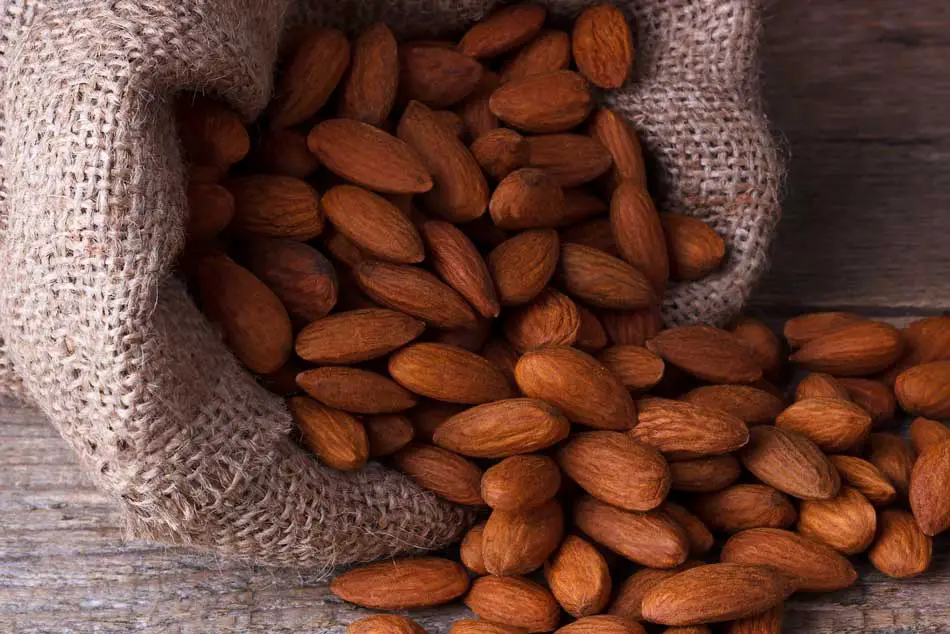
Almonds appear in Persian cooking in almost every form: whole and salted in adjil, slivered through fragrant rice, and ground into delicate biscuits and cakes. Their mild flavour works beautifully with saffron, cardamom and rose water, which is why I always keep a packet in the pantry.
What is it?
Almonds are the edible seeds of the almond tree. They are sold in their skins, blanched, slivered, flaked, roasted, ground into almond meal or made into paste. Sweet almonds are the everyday culinary variety; bitter almonds are different and should not be used unless a regulated food product is specifically intended for cooking.
What does it taste like?
Almonds are gently sweet and nutty, with a clean flavour that becomes deeper after roasting. Skin-on almonds taste slightly earthier, while blanched almonds are mild and creamy. Almond meal gives baking a rich, moist texture.
Why is it used in Persian cooking?
Almonds add texture and elegance without overpowering delicate spices. Slivered almonds decorate rice dishes such as shirin polo, ground almonds form the base of chewy sweets, and whole roasted almonds belong in adjil. They pair particularly well with pistachio, saffron, cardamom, citrus and rose water.
How to choose it
Choose almonds that smell fresh and feel dry and crisp. Avoid nuts with shrivelled kernels, dark spots or a paint-like, bitter smell, which can indicate rancidity. For baking, buy almond meal with a fresh date and choose blanched meal when you want a pale, fine result.
How to prepare it
Toast almonds gently in a dry pan or low oven until fragrant, watching closely because they colour quickly. To blanch whole almonds, cover with boiling water for about a minute, drain, then slip off the skins. Cool completely before chopping or grinding. When making almond meal, pulse briefly so the oils do not turn it into almond butter.
Storage tips
Keep almonds airtight in a cool, dark place. Refrigeration is best in a warm climate and for opened packets; freezing works well for longer storage. Almond meal has more surface area and becomes stale faster than whole nuts, so keep it cold and use a clean, dry scoop.
Nutritional benefits
Almonds provide plant protein, fibre, unsaturated fats, vitamin E and magnesium. They are energy-dense, so a small handful is a useful everyday portion. Flavoured or salted almonds may contain added sugar, oil or sodium; the packet label gives the most accurate information.
Common substitutes
Pistachios are an excellent Persian-style substitute in sweets and garnishes, although their colour and flavour are stronger. Cashews give a softer, creamier result. Hazelnut meal can replace almond meal in some cakes, but it changes the flavour. For nut-free cooking, use toasted pumpkin or sunflower seeds where the recipe allows.
Recipes using the ingredient
Try Ghorabieh – Persian Almond Cookies, Almond Cake with Cardamom and Cinnamon and Almond Pastry Twists. Almonds are also a natural addition to Adjil.
FAQ
Are almond meal and almond flour the same?
The names overlap. Almond flour is usually finer and often blanched, while almond meal may be coarser and include skins.
Should I toast almonds before using them?
Toasting strengthens the flavour, but it is optional and not always wanted in delicate baking.
Can I substitute almond meal for wheat flour?
Not cup for cup in every recipe. Almond meal contains no gluten and absorbs liquid differently, so use a recipe designed for it.
How do I know almonds have gone rancid?
They may smell like paint or old oil and taste unpleasantly bitter. Discard them.